


Pet Wellness Exams: Early Detection for a Healthier Pet
Pet wellness exams give your veterinarian a chance to identify subtle health changes before they cause obvious symptoms. These visits support early detection through physical exams, screening, vaccination planning, parasite control, and ongoing health monitoring.
A pet can appear energetic, eat normally, and still have an emerging dental, metabolic, orthopedic, or internal concern. Dogs and cats often compensate for discomfort as diseases develop gradually. At 441 Animal Hospital in Boca Raton, Florida, regular wellness care allows Dr. Andrew Levy and the veterinary team to establish what is normal for your pet and notice meaningful changes over time. Early detection may create more care options and keep manageable issues from becoming urgent.
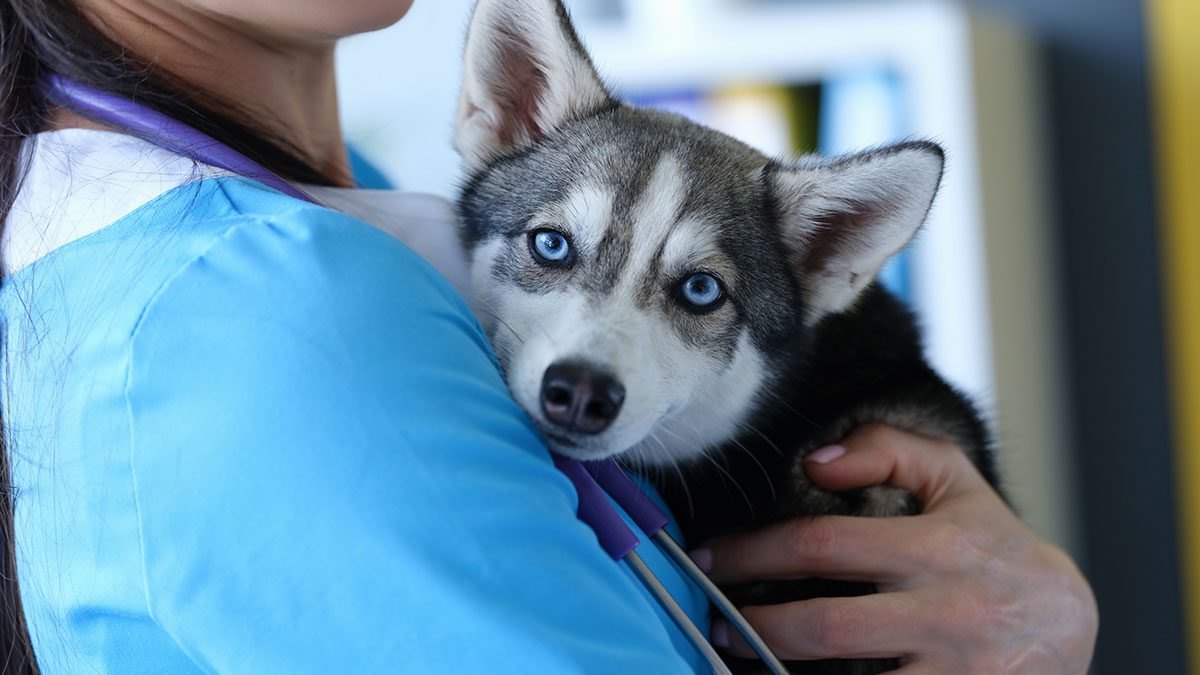
What Happens During Pet Wellness Exams?
Pet wellness exams evaluate the whole pet rather than focusing on one symptom. Your veterinarian combines findings from the physical exam with your observations, your pet’s medical history, and any recommended testing. The visit also covers behavior, nutrition, dental health, parasite exposure, and age-related changes. Recommendations should reflect your pet’s breed, lifestyle, history, and risks.
A typical wellness visit may include:
- Measuring weight and evaluating body condition
- Listening to the heart and lungs
- Examining the eyes, ears, mouth, skin, and coat
- Feeling the abdomen, lymph nodes, joints, and muscles
- Checking the teeth and gums for signs of disease
- Reviewing vaccination and parasite-prevention needs
- Discussing appetite, thirst, elimination, mobility, and behavior
- Recommending blood, urine, fecal, or other screening tests
These steps build a detailed health picture and establish baseline findings for future comparison. A finding that seems minor during one visit may become more meaningful when the veterinary team compares it with previous examination results.
How Do Wellness Exams Help Detect Health Problems Early?
Many illnesses begin with changes that pet owners cannot easily see. A heart murmur may not affect activity at first, early kidney changes may not alter appetite, and mild dental disease may remain hidden. Routine care can reveal findings or screening results that deserve closer evaluation. The goal is to act before a pet becomes visibly ill.
Early detection can be especially valuable for conditions involving:
- Dental and periodontal health
- Weight gain or unintended weight loss
- Heart and respiratory function
- Kidney and liver health
- Diabetes and other metabolic disorders
- Parasites and vector-borne diseases
- Arthritis, pain, and mobility changes
- Skin, ear, and allergy concerns
- Lumps, bumps, and tissue changes
An abnormal result does not always mean a pet has a serious disease. It may prompt repeat testing, closer monitoring, or additional diagnostics. Routine visits allow the veterinary team to interpret findings before several symptoms appear.
What Happens During a Dog Wellness Exam?
A dog wellness exam accounts for your dog’s age, breed, size, lifestyle, and activities. A young dog may need guidance on growth, training, nutrition, and vaccinations. An adult dog may benefit from weight monitoring, dental evaluation, parasite screening, and laboratory testing based on risk. Senior dogs often need closer attention to mobility, organ function, vision, hearing, cognitive changes, and chronic pain.
Which Changes Should You Mention at Your Dog’s Exam?
Tell your veterinarian if your dog tires sooner on walks, hesitates on stairs, pants more often, scratches frequently, drinks more water, has indoor accidents, or develops an appetite change. Coughing, bad breath, stool changes, new lumps, restlessness at night, and shifts in social behavior also deserve discussion. Even when a change seems related to aging, your veterinarian should evaluate it because pain and disease can resemble normal slowing. Your observations help direct the examination and testing plan.
How Often Does a Dog Need a Wellness Exam?
Many healthy adult dogs benefit from an examination at least once a year, while puppies, senior dogs, and dogs with ongoing health concerns may need more frequent visits. 441 Animal Hospital recommends annual cat and dog exams and notes that semiannual exams may become appropriate as pets age. Your veterinarian will suggest a schedule based on your dog’s history and current needs. A consistent schedule helps compare weight, exam findings, laboratory values, and behavior over time.
What Happens During a Cat Wellness Exam?
A cat wellness exam addresses medical needs that can remain easy to miss at home. Cats often hide discomfort and may reduce activity so gradually that families do not notice a clear change. Indoor cats still need routine care because dental disease, obesity, kidney disease, thyroid disorders, diabetes, and arthritis do not depend on outdoor exposure. Examinations also cover litter box habits, nutrition, enrichment, behavior, and stress.
Which Changes Should You Mention at Your Cat’s Exam?
Share any difference in eating, drinking, grooming, jumping, sleeping, vocalizing, or litter box use. A cat that stops reaching high surfaces may have pain, while increased thirst may warrant laboratory evaluation. Weight loss can be difficult to see beneath a full coat, and reduced grooming may reflect discomfort or illness. Vomiting, constipation, urine changes, hiding, irritability, and bad breath also provide useful information during a cat wellness exam.
How Can You Make a Cat Wellness Visit Less Stressful?
Leave the carrier out at home so it becomes familiar instead of signaling a stressful trip. Add comfortable bedding and use calm handling when placing your cat inside. Secure the carrier in the car, keep the environment quiet, and tell the veterinary team if your cat has shown intense fear during previous visits. Planning helps the team adapt the visit and complete a more thorough examination.
Which Wellness Tests May Be Recommended?
Testing recommendations vary because no single screening plan fits every pet. Your veterinarian may recommend fecal testing, heartworm or vector-borne disease screening, blood tests, urinalysis, or other diagnostics based on age and risk. These tests can reveal changes that a physical examination alone cannot detect. Results collected while your pet feels healthy also create a useful baseline.
Wellness testing becomes increasingly valuable as pets age, but younger pets can benefit too. Congenital conditions, parasite infections, early metabolic changes, and unexpected abnormalities can occur before the senior years. Your veterinarian will explain what each test measures and how the result may affect care. Asking why a test is recommended can help you make an informed decision.
What Questions Should You Ask During a Wellness Visit?
Bring a short list so important concerns do not get lost during the appointment. Ask whether your pet’s weight and body condition are healthy, whether dental care is needed, and whether activity or behavior changes warrant further evaluation. You can also discuss nutrition, exercise, parasite exposure, vaccination timing, and age-related screening. Clear communication helps the veterinary team tailor care to your pet.
Helpful questions include:
- Has my pet’s weight changed since the last visit?
- Are the teeth and gums showing signs of disease?
- Which screening tests fit my pet’s age and history?
- Are any behavior changes medically significant?
- Should my pet’s exercise or nutrition plan change?
- When should the next wellness exam take place?
Schedule a Pet Wellness Exam in Boca Raton, FL
Routine care gives you a clearer view of your pet’s health and creates opportunities to address changes early. Whether your companion needs a dog wellness exam, cat wellness exam, age-related screening, or an updated preventive care plan, the team at 441 Animal Hospital can provide recommendations based on individual needs.
Call (561) 482-5600 or request an appointment online to schedule your pet’s next wellness visit.