

Why Is My Cat Sneezing?
Why is my cat sneezing? In most cases, a cat sneezes because something has irritated the nasal passages, such as dust, a strong scent, or litter particles, or because of an upper respiratory infection. Occasional sneezes are usually harmless, while frequent or persistent sneezing can point to infection, dental disease, allergies, or a problem inside the nose.
A single sneeze from your cat might even seem a little funny. A string of sneezes that keeps going for days feels very different. Cats can’t tell us what’s bothering them, so it helps to know what the sneezing pattern and any accompanying symptoms might mean. Boca Raton’s warm, humid climate, year-round pollen, and busy indoor living spaces can all play a part in feline nasal health. At 441 Animal Hospital in Boca Raton, we see sneezing cats regularly, from young kittens with colds to senior cats with more complex issues. Below, we break down why sneezing happens, what persistent sneezing can signal, and when your cat should see a veterinarian.
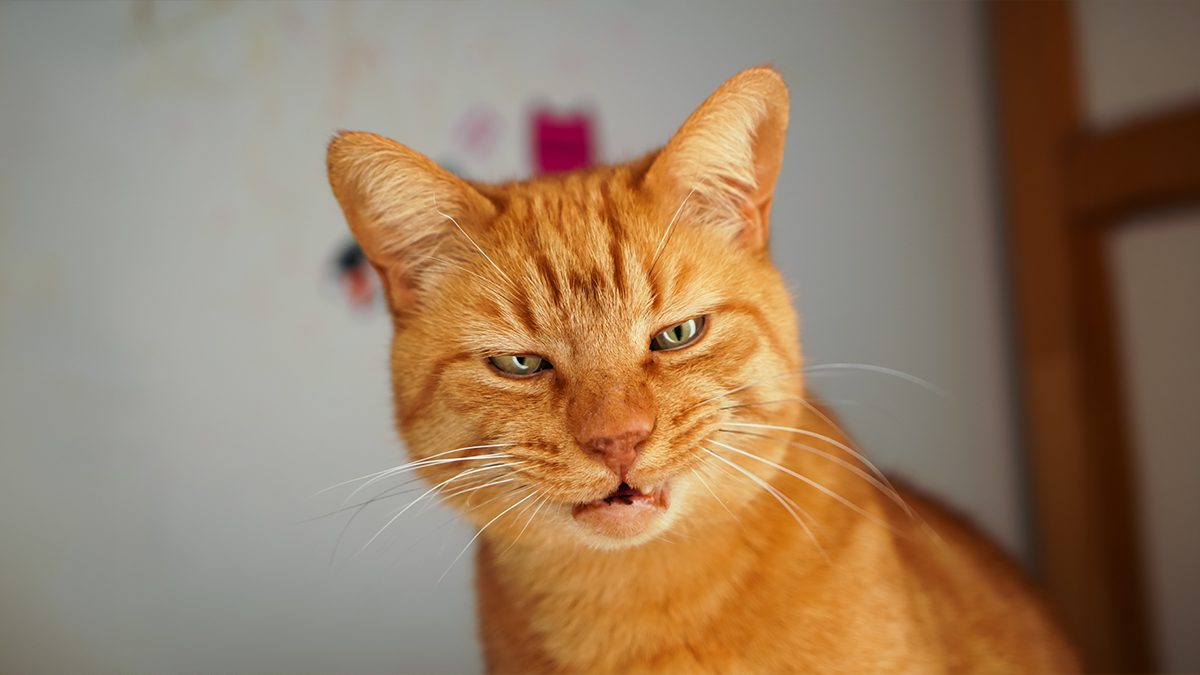
Why Do Cats Sneeze?
Cats sneeze for the same basic reason people do: to clear something unwanted out of the nose.
The nasal passages are lined with sensitive tissue that reacts quickly to irritation. When a particle, germ, or inflammation tickles those nerve endings, the body responds with a forceful burst of air. A sneeze now and then, especially after your cat sniffs around a dusty corner, is a normal protective reflex rather than a sign of illness.
Everyday Irritants Around the Home
Many household items can set off a sneezing fit in a sensitive cat. Some of the most common environmental triggers include:
- Dusty or heavily scented cat litter
- Aerosol cleaners, air fresheners, and plug-in diffusers
- Perfume, candles, and incense
- Cigarette or fireplace smoke
- Pollen and mold spores drifting indoors
- Dust stirred up during cleaning or home renovations
Sneezing linked to irritants usually happens in short bursts and doesn’t come with other symptoms. If you notice your cat sneezes mainly in one room or right after using the litter box, the environment may be the explanation.
Sneezing vs. Reverse Sneezing
Not every odd nasal noise is a true sneeze. During a reverse sneeze, a cat pulls air rapidly inward through the nose, often while standing still with the neck extended. It can sound like snorting or honking. Reverse sneezing is less common in cats than in dogs, and occasional episodes are usually brief. Frequent episodes, though, can be linked to irritation or inflammation in the back of the nasal passages, so it’s worth mentioning to your veterinarian. A short phone video makes it much easier for the team to tell the two apart.
Sneezing After Vaccination
Some feline vaccines are given as drops in the nose. Mild sneezing for a few days afterward is a known and generally short-lived response. If sneezing becomes severe or lingers, let your veterinary team know.
My Cat Keeps Sneezing: What Could Be Behind It?
When sneezing becomes frequent or lasts more than a day or two, an underlying medical condition is more likely.
Upper Respiratory Infections
Upper respiratory infections are the most common cause of ongoing sneezing in cats. Feline herpesvirus and feline calicivirus account for the majority of cases, and bacteria such as Chlamydia, Mycoplasma, and Bordetella can also play a role. These infections spread easily in shelters, catteries, and multi-cat households. Along with sneezing, cats may develop watery eyes, nasal discharge, a reduced appetite, or mouth ulcers.
Feline herpesvirus deserves special mention. Once a cat is infected, the virus can stay dormant in the body for life and flare up during times of stress, such as a move, a new pet, or boarding. That’s why some adult cats seem to “catch a cold” again and again.
Dental Disease
The roots of a cat’s upper teeth sit very close to the nasal cavity. An infected tooth root can inflame nearby tissues and lead to sneezing or nasal discharge on one side. Bad breath, drooling, and reluctance to chew dry food are other clues that the mouth may be involved.
Other Possible Causes
Less common, but still important, reasons for chronic sneezing include allergies, fungal infections, and objects lodged in the nose, like a blade of grass. Young cats can develop nasopharyngeal polyps, which are benign growths in the back of the throat or nasal passages. In older cats, nasal tumors become a greater concern, particularly when sneezing is paired with bloody discharge or facial swelling.
When Does Cat Sneezing Need a Veterinary Visit?
Knowing when to move from watching to acting can make a real difference for your cat’s comfort and recovery.
Occasional sneezing in an otherwise playful, hungry cat usually isn’t cause for alarm. However, cats are experts at hiding illness, so subtle changes matter. Schedule an exam if your cat’s sneezing comes with any of these signs:
- Thick yellow, green, or bloody nasal discharge
- Squinting, redness, or discharge from the eyes
- Skipped meals or a noticeable drop in appetite
- Lethargy, hiding, or less interest in play
- Sneezing that lasts longer than a few days or keeps returning
- Swelling on the face or over the bridge of the nose
Signs That Call for Same-Day Care
Some symptoms warrant a call to your veterinarian right away. Open-mouth breathing, labored or noisy breathing, or a cat that refuses all food for more than a day needs prompt attention. Cats depend heavily on their sense of smell to feel interested in eating, so a stuffy nose can quickly lead to poor appetite, which carries its own health risks.
Higher-Risk Cats
Kittens, senior cats, and cats with chronic conditions such as kidney disease, diabetes, or feline immunodeficiency virus (FIV) can become sick faster than healthy adults. Flat-faced breeds like Persians and Himalayans also tend to have more trouble with respiratory symptoms. For these cats, it’s wise to contact your veterinarian sooner rather than later.
How Do Veterinarians Diagnose the Cause of Sneezing in Cats?
Finding the reason behind persistent sneezing starts with a detailed history and a hands-on exam.
Your veterinarian will ask how long the sneezing has lasted, whether other pets are affected, and whether there have been recent changes at home. During the exam, they’ll look at your cat’s eyes, nose, mouth, and teeth, listen to the lungs, and check for fever or swollen lymph nodes. These findings often point toward a likely cause right away.
Diagnostic Tests
When sneezing is chronic or the cause isn’t clear, additional testing may help. Depending on your cat’s symptoms, this may include bloodwork, testing for viral infections, a culture of nasal discharge, dental X-rays, or imaging of the skull and nasal passages. In some cases, a veterinarian may recommend a closer look inside the nose under anesthesia to check for polyps, foreign material, or abnormal tissue.
Each piece of information narrows the possibilities. With a clear diagnosis, your veterinarian can build a treatment plan that targets the actual cause instead of only easing symptoms. That approach tends to bring faster, longer-lasting relief, especially for cats with recurring flare-ups.
Helping Your Sneezing Cat Breathe Easier in Boca Raton
The answer to “why is my cat sneezing?” can range from a dusty litter box to an infection or dental problem, and the pattern of symptoms usually holds the key. A quick exam can bring peace of mind when the cause is minor and early care when it isn’t. The veterinary team at 441 Animal Hospital in Boca Raton takes a gentle, cat-friendly approach to every visit, and we’ll work with you to understand what’s happening and why. Whether your cat has been sneezing for a few days or deals with flare-ups every season, we’re ready to help. Call 441 Animal Hospital at (561) 482-5600 to book an appointment, and contact us right away if your cat is struggling to breathe or has stopped eating.