

Why Is My Dog Shaking and Panting?
Why is my dog shaking and panting? Most often, a dog shakes and pants because of stress, fear, pain, overheating, or excitement, but the combination can also signal illness, poisoning, or a medical emergency. The cause depends on the setting, how long the episode lasts, and which other symptoms appear alongside it.
If you have watched your dog tremble and breathe hard on the couch for no clear reason, you know how unsettling it feels. Some episodes pass within minutes once a storm ends or a car ride stops. Others point to something deeper that needs a veterinarian’s attention. Here in South Florida, heat and humidity add another layer to the picture, since dogs rely heavily on panting to cool themselves. At 441 Animal Hospital in Boca Raton, our team helps local pet owners sort out what’s normal and what isn’t. This guide walks you through the most common causes, the warning signs that call for urgent care, and what to expect when you bring your dog in for an evaluation.
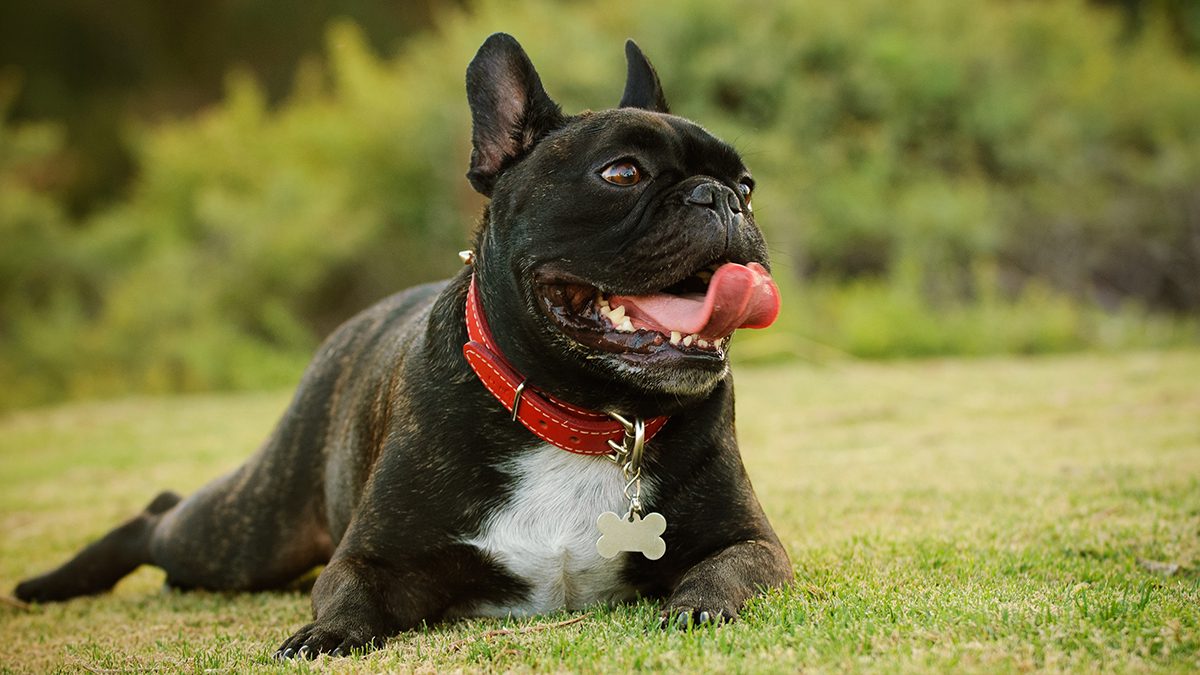
Dog Shaking and Panting: What Does It Mean?
A dog that shakes and pants at the same time is usually responding to something happening in its body or its environment. Panting is a dog’s primary cooling system, and trembling often accompanies a surge of adrenaline, physical discomfort, or a loss of normal muscle control. When the two happen together, they tell you your dog’s nervous system is working overtime. The real question is why.
Emotional and Behavioral Triggers
Fear and anxiety top the list of everyday reasons dogs shake and pant. Thunderstorms, fireworks, holiday guests, and trips to the groomer can all set off a stress response. Some dogs also tremble with pure excitement, such as when a favorite person walks through the door or the leash comes off the hook. These episodes typically fade once the trigger disappears and your dog has a chance to settle.
Patterns tell you a lot here. A dog that trembles only during fireworks season or on the drive to the vet is likely reacting to fear. However, anxiety that shows up daily, grows more intense over time, or leads to destructive behavior deserves a professional conversation, since chronic stress can affect your dog’s overall health and quality of life.
Physical and Environmental Causes
Other causes are physical. Heat plays a big role in Boca Raton, where afternoon temperatures and humidity can push a dog past its cooling limits faster than many owners expect. Short-nosed breeds like pugs, bulldogs, and Boston terriers struggle even more. Common reasons behind a dog shaking and panting include:
- Anxiety from loud noises, travel, or separation
- Overheating after outdoor play or time in a warm car
- Pain from an injury, arthritis, or an internal problem
- Nausea or an upset stomach
- Side effects from certain medications
- Exposure to toxic foods, chemicals, or wildlife
- Fever linked to an infection
Because so many possibilities overlap, the context around each episode matters just as much as the symptoms themselves.
My Dog Is Panting and Shaking: Could It Be a Health Problem?
When stress and heat don’t explain what you’re seeing, an underlying health issue may be responsible.
Pain and Discomfort
Dogs are remarkably good at hiding pain, and heavy panting paired with trembling is one of the few outward clues they offer. Joint disease, back problems, dental pain, and abdominal conditions such as pancreatitis can all show up this way. You may also notice your dog hiding, refusing to lie down, pacing, or pulling away when you touch a certain spot. Pain-related panting often happens while your dog is resting in a cool room, which helps set it apart from normal post-exercise breathing.
Toxins and Poisoning
Toxic exposure can trigger sudden tremors and rapid breathing. Chocolate, xylitol (a sugar substitute found in some gums and peanut butters), grapes, certain human medications, and rodent bait are frequent culprits. South Florida adds a local hazard: the cane toad, also known as the Bufo toad. Dogs that lick or mouth these toads can develop drooling, shaking, and heavy panting within minutes, and the situation can turn life-threatening quickly.
Hormonal and Age-Related Conditions
Some chronic diseases change how a dog breathes and moves. Cushing’s disease often causes excessive panting, while Addison’s disease can lead to weakness and trembling. Senior dogs may also shake and pant because of cognitive changes, heart disease, or muscle loss. These conditions tend to develop gradually, so owners sometimes mistake early signs for normal aging. A veterinary exam and lab work can reveal the difference.
When Should You Take a Shaking, Panting Dog to the Vet Right Away?
Some cases of shaking and panting can wait for a regular appointment, but others need immediate care.
Trust your instincts. If the behavior seems out of character for your dog, lasts longer than usual, or keeps getting worse, treat it as urgent. Contact a veterinarian immediately if you notice any of the following:
- Gums that look pale, gray, blue, or bright red
- Collapse, stumbling, or an inability to stand
- A swollen, tight belly, especially with unproductive retching
- Seizure activity or uncontrolled muscle twitching
- Known or suspected contact with a toxin or toad
- Vomiting or diarrhea that contains blood
- Panting that continues long after your dog has rested in a cool space
Why Timing Matters
Conditions like heatstroke, bloat, and poisoning progress fast. In these situations, minutes can affect the outcome, and waiting to see whether things improve can put your dog at serious risk. Large, deep-chested breeds such as Great Danes, German shepherds, and standard poodles face a higher risk of bloat, while flat-faced breeds overheat more easily. Knowing your dog’s risk profile helps you act sooner. When in doubt, call your veterinarian or a nearby emergency hospital and describe what you’re seeing. The team can help you decide how quickly your dog needs to be seen.
How Does a Veterinarian Find Out Why a Dog Is Shaking and Panting?
Pinpointing the cause starts with a careful conversation and a thorough physical exam.
Your veterinarian will ask about your dog’s recent activities, diet, medications, and any changes in routine. They’ll check temperature, heart rate, gum color, and breathing pattern, then look for signs of pain or neurological problems. Depending on those findings, the next steps may include bloodwork, a urinalysis, X-rays, or an ultrasound to evaluate the internal organs.
Information That Helps Your Vet
Your observations at home give the medical team valuable clues. Before or during your visit, try to share:
- When the episodes began and how long each one lasts
- What was happening right before the shaking started
- Any new foods, treats, plants, or cleaning products in the home
- Whether your dog has been eating, drinking, and going to the bathroom normally
- A short video of an episode, if you can safely record one
Videos are especially helpful because dogs rarely shake or pant on cue once they arrive at the clinic. Combined with test results, these details help your veterinarian answer the question “why is my dog shaking and panting?” with confidence and recommend a care plan tailored to your dog.
Getting Answers for Your Dog’s Shaking and Panting in Boca Raton
Asking why your dog is shaking and panting is the right first step, but a professional evaluation provides the real answer. While many episodes stem from stress or heat, others signal pain, toxins, or chronic disease that benefit from early attention. The team at 441 Animal Hospital in Boca Raton is here to examine your dog, identify the cause, and guide you through next steps with compassion and clear communication. Whether your pup trembles during every summer storm or has started panting heavily for no obvious reason, we’d be glad to help. Call 441 Animal Hospital at (561) 482-5600 to schedule a visit, and reach out right away if your dog shows any emergency warning signs.