

Our Blog
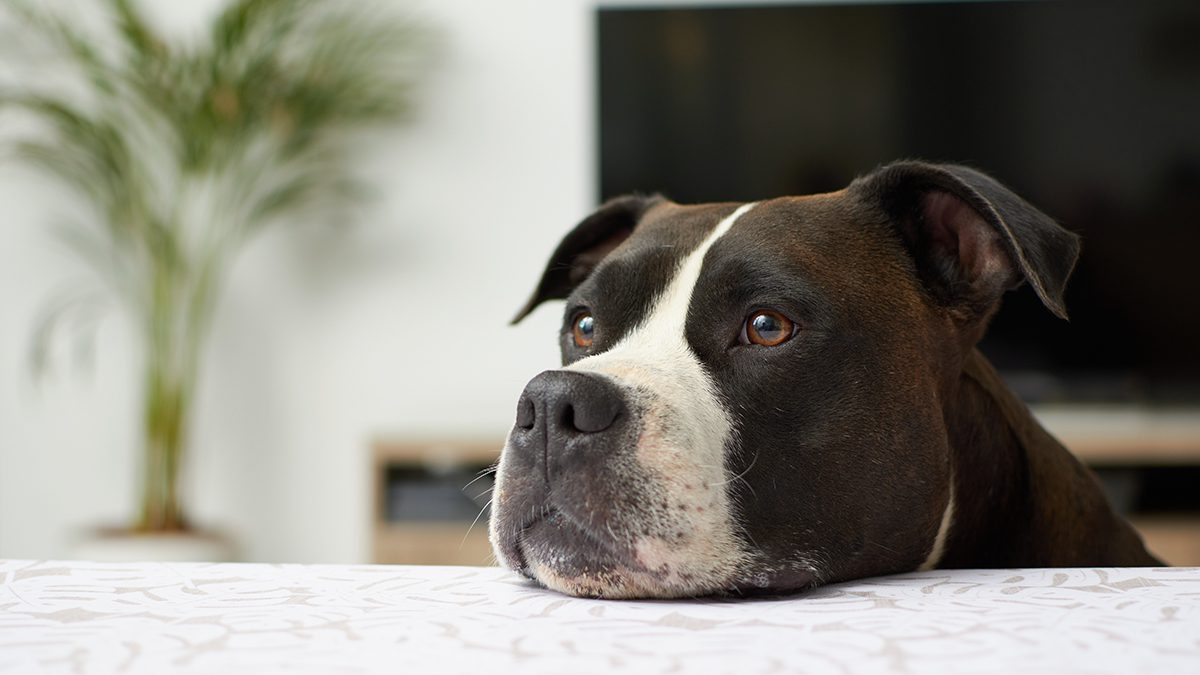
What causes dog constipation? The most common causes are dehydration, too little fiber in the diet, lack of exercise, and swallowing things that can’t be digested, such as bones, hair, grass, or pieces of toys. Constipation can also signal an underlying medical issue, including an enlarged prostate, anal gland problems, pain, or a blockage. Most…
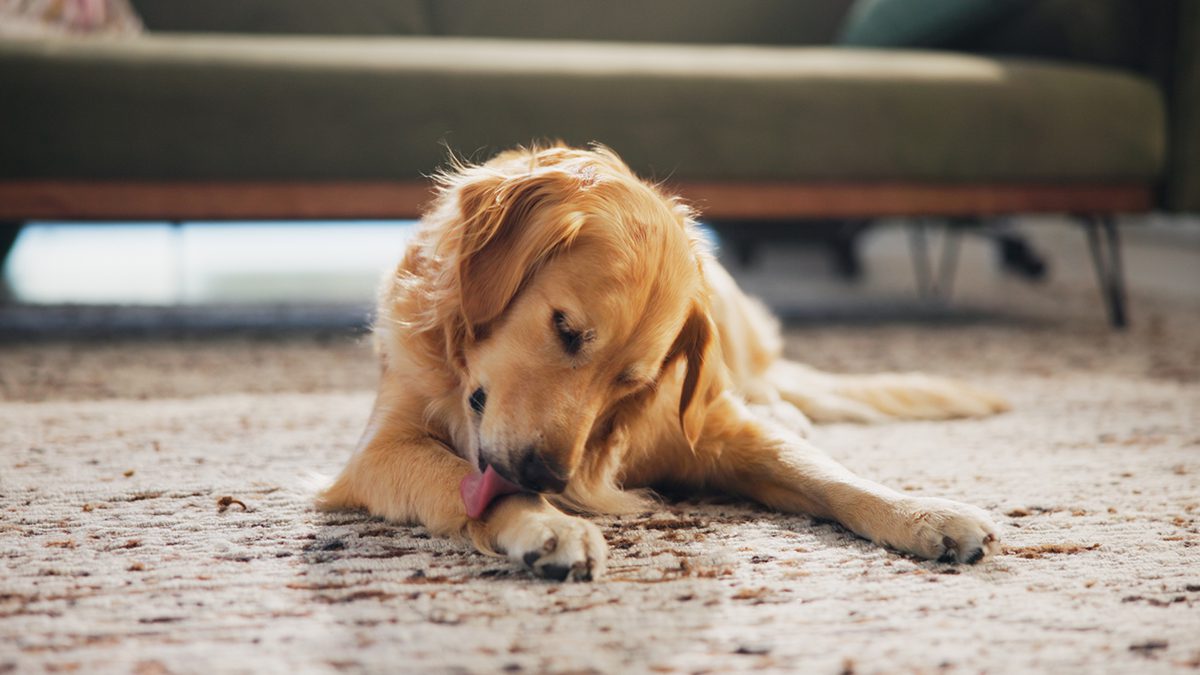
If your dog keeps licking his paws, the most likely reasons are allergies, a skin infection, pain, something stuck between the toes, or boredom and anxiety. A quick lick after a walk is normal grooming, but constant licking, chewing, or red, stained fur usually means something is bothering your dog and deserves a veterinary exam.…
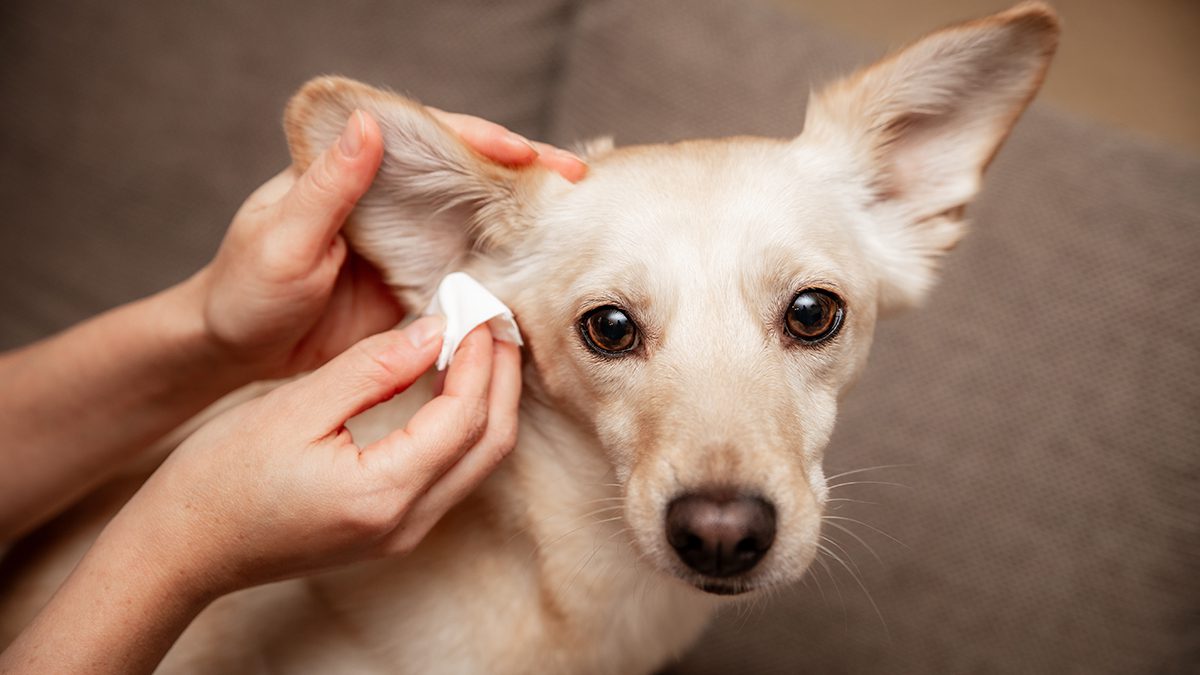
What causes ear infections in dogs? Most ear infections develop when bacteria or yeast overgrow inside the ear canal, usually because an underlying issue such as allergies, trapped moisture, ear mites, or the shape of the ear has upset its natural balance. Treating the infection alone often isn’t enough, since the root cause can trigger…
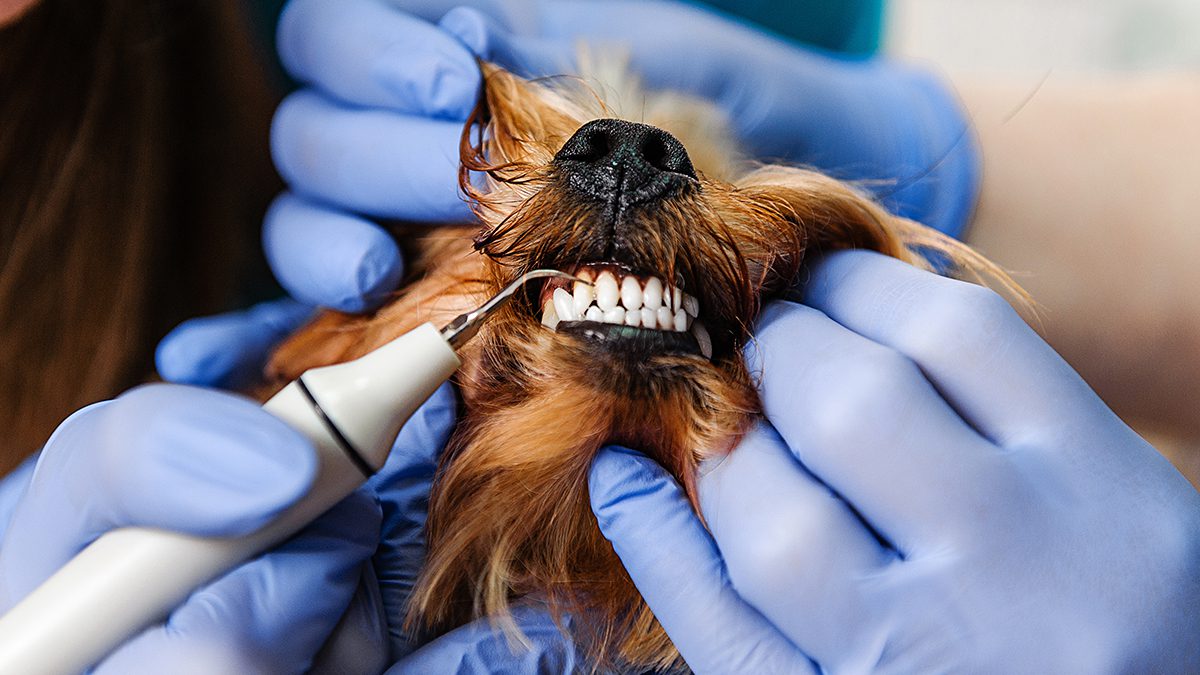
Dog dental care matters because dental disease is one of the most common health problems in dogs, and it affects far more than the mouth. Most dogs show some signs of periodontal disease by age three, and untreated infections can cause pain, tooth loss, and strain on organs like the heart, liver, and kidneys. Many…

Why is my cat sneezing? In most cases, a cat sneezes because something has irritated the nasal passages, such as dust, a strong scent, or litter particles, or because of an upper respiratory infection. Occasional sneezes are usually harmless, while frequent or persistent sneezing can point to infection, dental disease, allergies, or a problem inside…
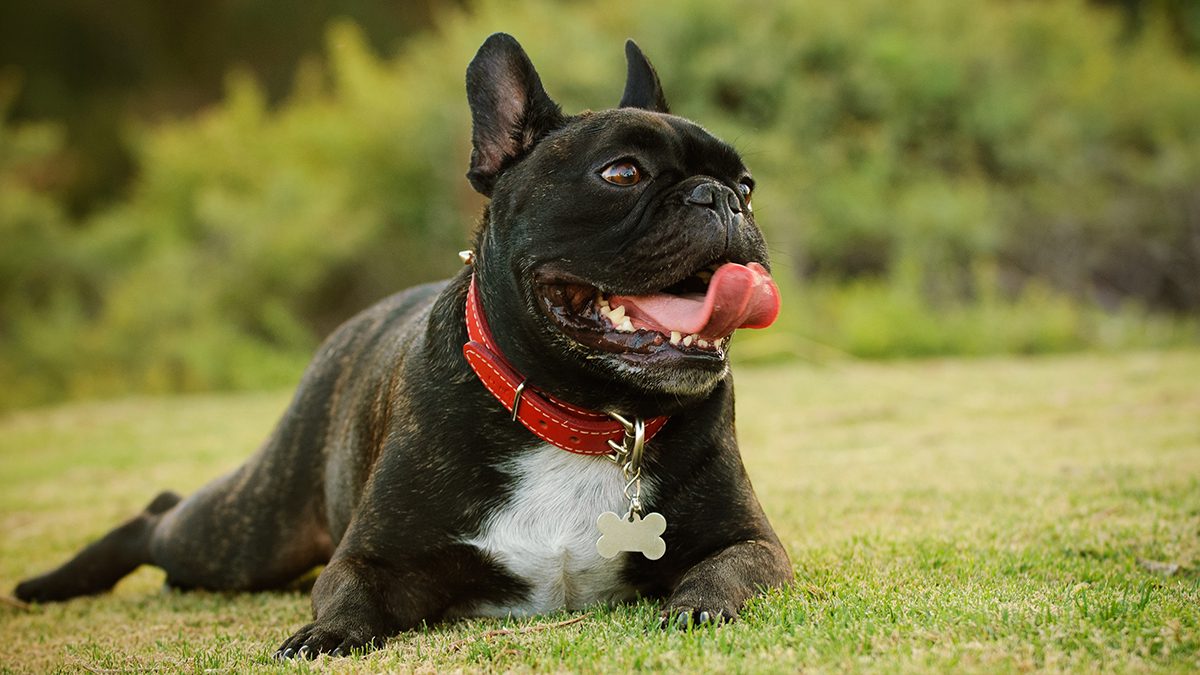
Why is my dog shaking and panting? Most often, a dog shakes and pants because of stress, fear, pain, overheating, or excitement, but the combination can also signal illness, poisoning, or a medical emergency. The cause depends on the setting, how long the episode lasts, and which other symptoms appear alongside it. If you have…
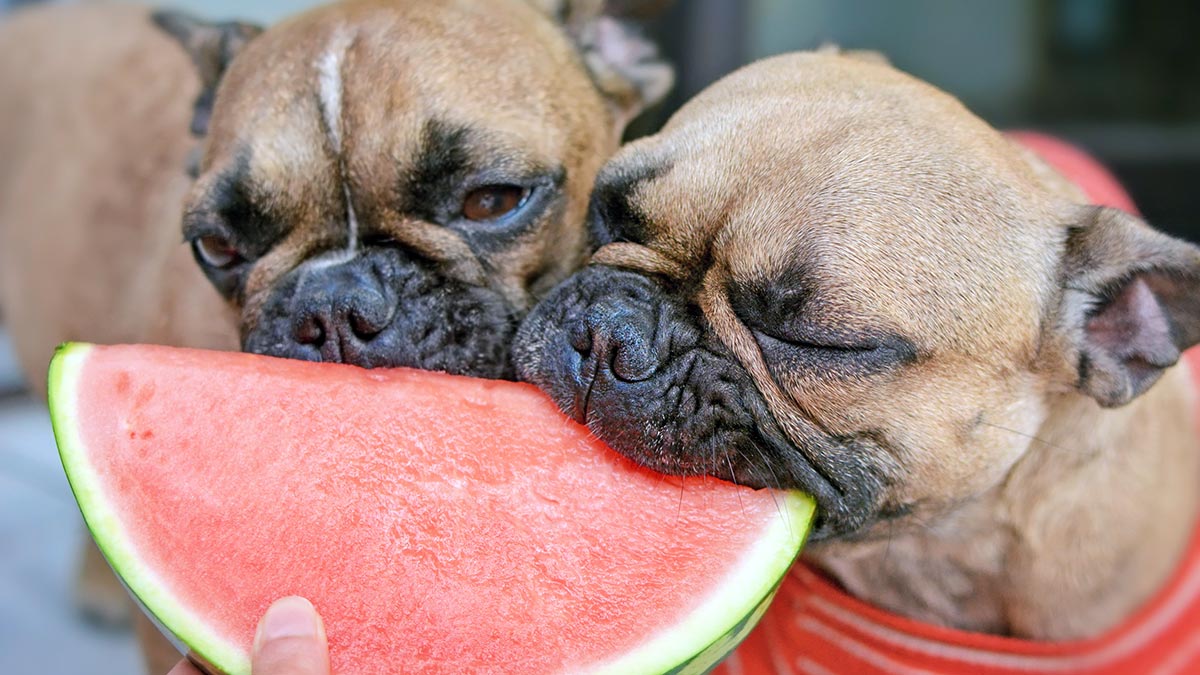
Yes, dogs can eat melon in small amounts when you remove the rind and seeds and cut the flesh into bite-sized pieces. Cantaloupe, honeydew, and watermelon can serve as occasional treats for many healthy dogs, but too much may cause digestive upset or add unnecessary sugar and calories. Safe sharing depends on the type, portion,…
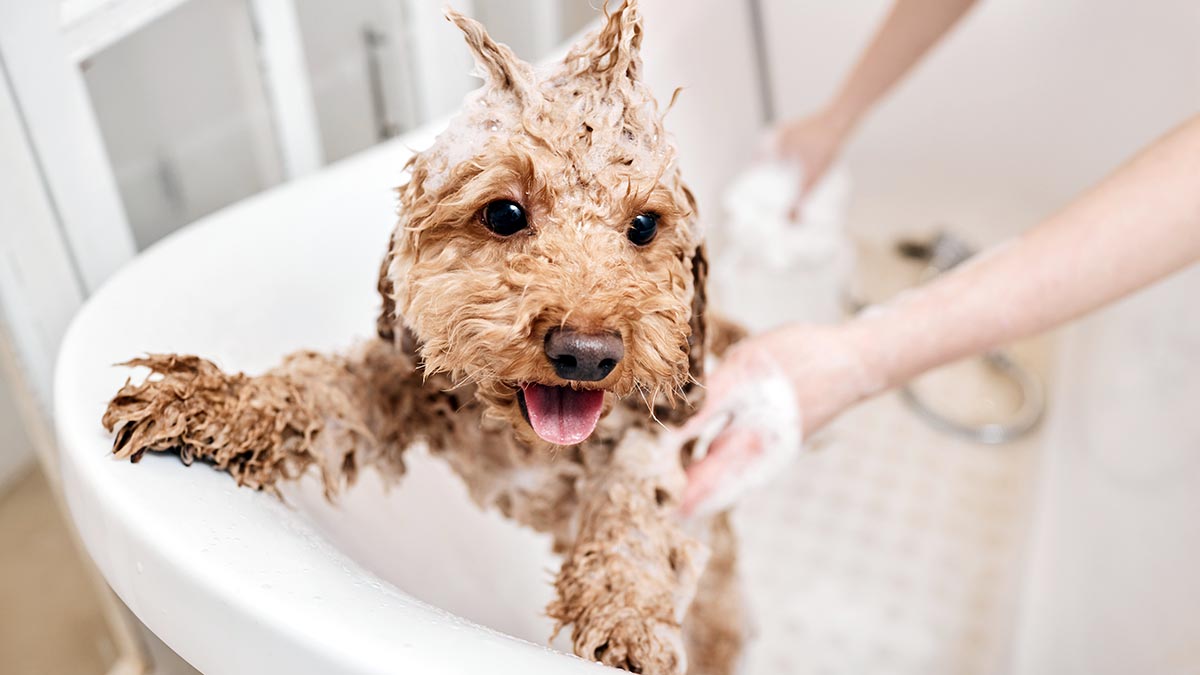
An oatmeal bath for dogs may temporarily calm mild dryness, itching, and surface irritation when you use a veterinary-formulated product correctly. However, it cannot treat the underlying cause of ongoing skin problems, so a dog with dry skin may still need an examination. When your dog starts scratching, licking, or rubbing against furniture, a bath…
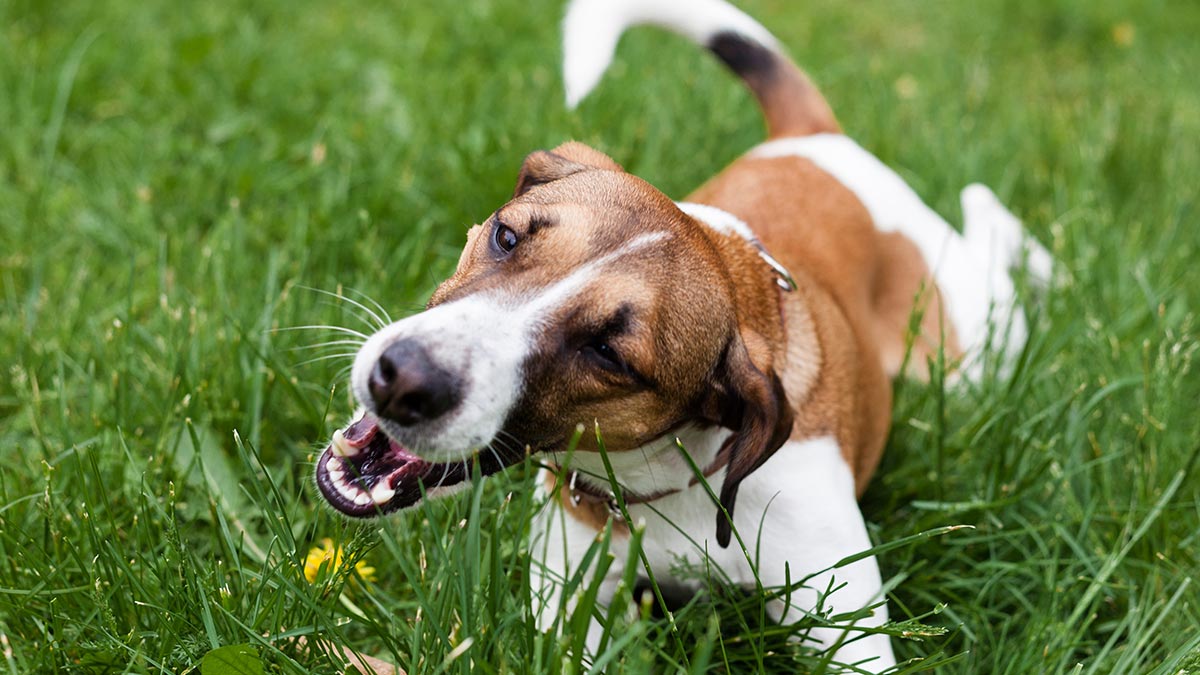
Why do dogs eat grass? Many dogs graze because they like the taste or texture, feel hungry, want stimulation, or instinctively seek roughage. A dog eating grass does not automatically have an upset stomach, but a sudden or excessive change can signal nausea, intestinal discomfort, parasites, or another health problem. Grass eating is common among…
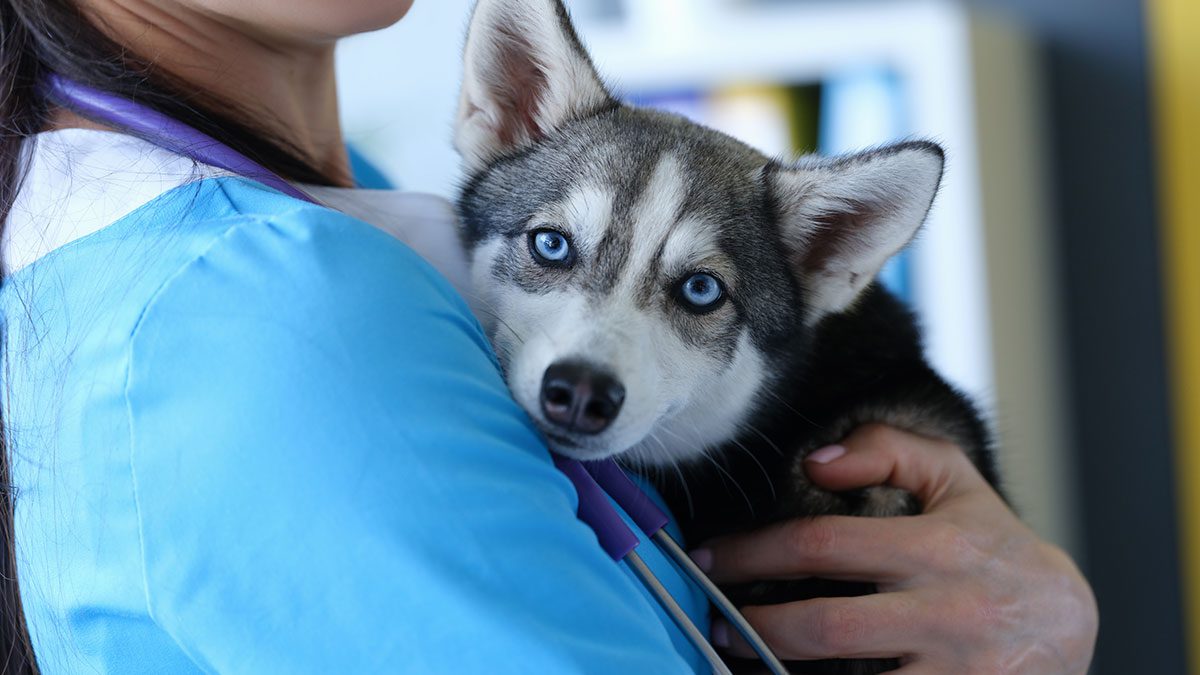
Pet wellness exams give your veterinarian a chance to identify subtle health changes before they cause obvious symptoms. These visits support early detection through physical exams, screening, vaccination planning, parasite control, and ongoing health monitoring. A pet can appear energetic, eat normally, and still have an emerging dental, metabolic, orthopedic, or internal concern. Dogs and…