


Can Dogs Eat Melon?
Yes, dogs can eat melon in small amounts when you remove the rind and seeds and cut the flesh into bite-sized pieces. Cantaloupe, honeydew, and watermelon can serve as occasional treats for many healthy dogs, but too much may cause digestive upset or add unnecessary sugar and calories.
Safe sharing depends on the type, portion, and preparation. Rinds and seeds can create choking or blockage risks, while dogs with diabetes, excess weight, sensitive stomachs, or dietary restrictions may need to avoid melon.
Which Types of Melon Can Dogs Eat?
Several common melons are non-toxic to dogs, including cantaloupe, honeydew, and watermelon. However, melon should remain an occasional extra rather than a regular part of a balanced diet.
Can Dogs Eat Cantaloupe?
Most healthy dogs can eat a few small pieces of ripe cantaloupe. It contains water, fiber, potassium, and vitamins A and C, though a balanced diet already supplies needed nutrients. Too much may cause gas, loose stool, or stomach discomfort. Remove the textured rind and seeds before serving it.
Cantaloupe rind feels tough and may break into pieces that a dog cannot digest easily. A swallowed section could cause irritation, choking, or an intestinal obstruction, particularly in a small dog. The outer surface can also carry dirt or bacteria before the melon is washed and cut. Keep discarded rinds in a secure trash container that your dog cannot access.
Can Dogs Eat Honeydew Melon?
Yes, dogs eat honeydew melon safely when owners offer plain, seedless flesh in a small portion. Honeydew provides water, fiber, vitamins, and minerals, but it also contains natural sugar. That makes it less appropriate for dogs with diabetes or those following a calorie-controlled diet. Ask your veterinarian before introducing it when your dog has a chronic health condition.
Remove the smooth rind, seed-filled center, and fibrous material before cutting honeydew into pieces. Although the seeds are not considered toxic, they may present a choking concern and can be difficult to digest in larger quantities. Avoid honeydew from fruit cups, smoothies, or desserts because these products may contain added sugar or other unsuitable ingredients. Plain, fresh melon gives you the most control over what your dog consumes.
Can Dogs Eat Watermelon?
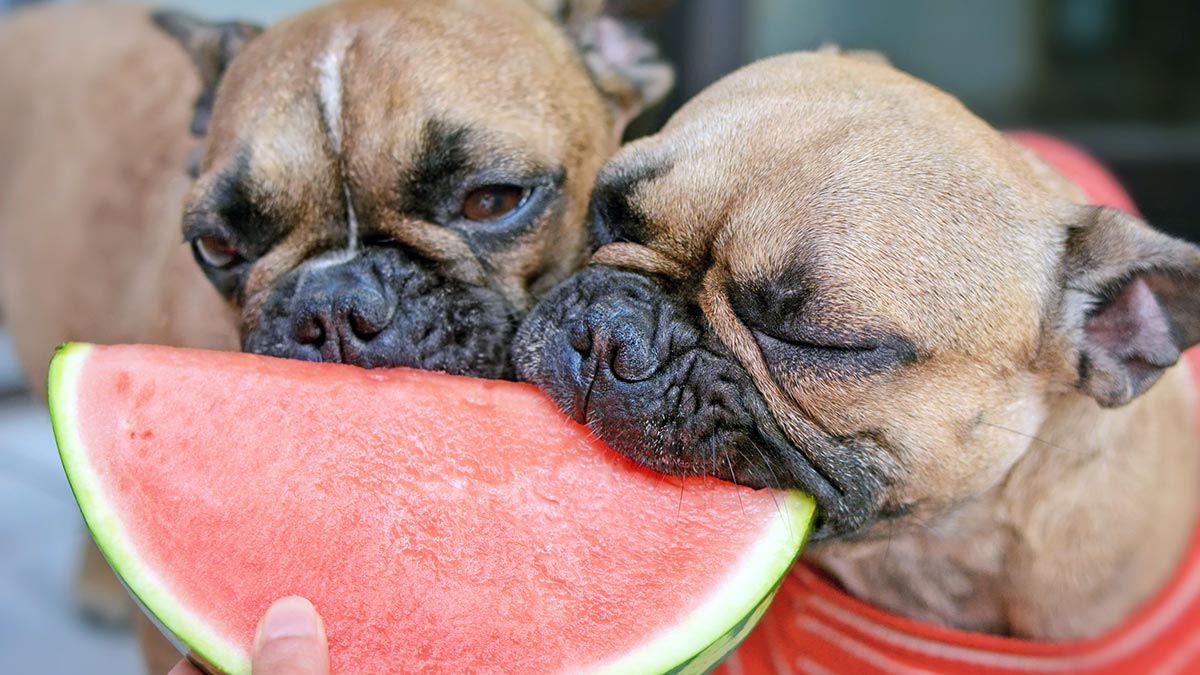
Dogs can usually eat the red flesh of watermelon after you remove the rind and seeds. Seedless watermelon may contain fewer mature black seeds, but you should still inspect each piece. The rind can be difficult to chew and digest, creating the same concerns associated with cantaloupe and honeydew rinds. Serve watermelon plain rather than mixed into flavored drinks, frozen desserts, or prepared fruit dishes.
Watermelon does not replace fresh drinking water, especially during Boca Raton’s warm weather. It cannot prevent heat exhaustion or correct dehydration. If your dog becomes weak, vomits, seems disoriented, or struggles to stand after heat exposure, seek veterinary care immediately.
How Much Melon Can a Dog Eat?
No single portion works for every dog because size, health, activity, and diet all matter. Treats and extras should make up no more than about 10% of a dog’s daily calories, with the remaining calories coming from complete and balanced food. Since melon contains sugar and fiber, a conservative serving makes sense even within that limit. Start with one small bite and watch for vomiting, diarrhea, gas, itching, or other changes.
A practical serving may look like:
- One or two tiny pieces for a toy or small dog
- A few bite-sized pieces for a medium dog
- Several small cubes for a large dog
- Less for any dog trying melon for the first time
Many dogs will keep eating sweet fruit past the amount their stomach can tolerate. Count melon with every other daily treat. Your veterinarian can help determine whether fruit fits your dog’s nutritional plan.
How Should You Prepare Melon for Your Dog?
Proper preparation reduces the chance of choking, stomach irritation, and accidental rind consumption. Wash the melon before slicing it so the knife does not carry material from the outer surface into the flesh. Remove the entire rind, scoop out the seeds, and cut the fruit into pieces that match your dog’s size. Stay nearby while your dog eats, especially the first time.
Use these steps:
- Wash the whole melon under clean running water.
- Cut it on a clean surface with clean utensils.
- Remove all rind, seeds, and tough fibrous sections.
- Cut the flesh into small, manageable bites.
- Offer a limited amount without seasonings or toppings.
- Refrigerate unused cut melon promptly.
Avoid whole slices because they encourage gulping and may contain overlooked rind or seeds. Never serve moldy, fermented, or spoiled melon. Leave unfamiliar varieties or prepared products off the menu.
What Should You Do If Your Dog Ate Melon?
If your dog ate melon flesh, the response depends on the amount, your dog’s size and health, and whether the fruit included rind, seeds, or added ingredients. A healthy dog that ate one or two plain pieces may only need observation. Monitor appetite, energy, bowel movements, and comfort over the next several hours. Contact your veterinarian when you cannot determine what or how much your dog swallowed.
A dog ate melon rind requires closer attention because the rind may lodge in the throat or digestive tract. Do not try to make your dog vomit or give food, oils, or other products unless a veterinarian directs you. Call 441 Animal Hospital and share your dog’s approximate weight, the type of melon, the estimated amount, the time of ingestion, and any symptoms. This information helps the veterinary team assess the situation.
When Should You Take Your Dog to the Emergency Vet?
Seek urgent veterinary care when your dog shows signs of choking, severe digestive distress, or a possible intestinal blockage. Problems may develop soon after ingestion or appear later as material moves through the digestive tract. Puppies, small dogs, and dogs that swallow large rind pieces may face greater risk. A dog with an existing medical condition may also need faster evaluation.
Warning signs include:
- Repeated vomiting or unproductive retching
- A swollen, tense, or painful abdomen
- Trouble breathing, gagging, or excessive drooling
- Extreme lethargy, weakness, or collapse
- Refusal to eat or drink
- Straining to pass stool
- Blood in vomit or stool
Emergency symptoms require prompt assessment. Bring product packaging or a photo of a prepared dish and tell the veterinary team about every known ingredient.
Have Questions About Melon and Your Dog’s Diet?
Melon can be an occasional treat for many dogs, but your pet’s age, weight, medical history, and nutritional needs should guide the decision. The team at 441 Animal Hospital can help you evaluate new foods, address digestive symptoms, and determine whether your dog needs an examination after eating rind, seeds, or a large amount of fruit. Call 441 Animal Hospital at (561) 482-5600 or request an appointment online for personalized veterinary guidance in Boca Raton, Florida.