

What Causes Ear Infections in Dogs?
What causes ear infections in dogs? Most ear infections develop when bacteria or yeast overgrow inside the ear canal, usually because an underlying issue such as allergies, trapped moisture, ear mites, or the shape of the ear has upset its natural balance. Treating the infection alone often isn’t enough, since the root cause can trigger repeat flare-ups.
Ear infections are among the most frequent reasons dogs visit the veterinarian, and many dogs experience more than one in their lifetime. Here in South Florida, the odds climb even higher. Year-round humidity, frequent swims in pools and the ocean, and long allergy seasons create the warm, damp conditions that bacteria and yeast love. At 441 Animal Hospital in Boca Raton, we help local pet owners understand why ear problems happen and how to stop the cycle. This guide covers the most common causes, the symptoms worth watching for, and what to expect when your veterinarian examines your dog’s ears.
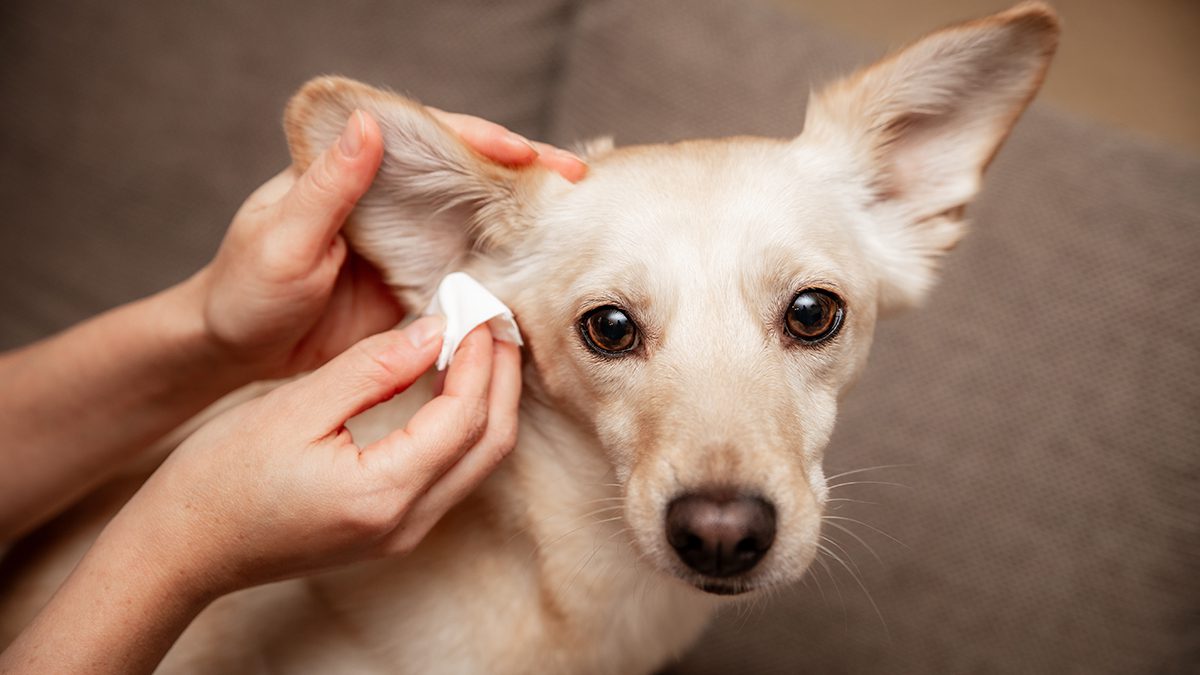
What Causes Ear Infections in Dogs Most Often?
The most common answer to what causes ear infections in dogs is an underlying condition that makes the ear canal more welcoming to germs.
A dog’s ear canal is shaped like an “L,” running down vertically before turning horizontally toward the eardrum. That bend makes it easy for moisture, debris, and wax to collect deep inside, where air doesn’t circulate well. Healthy ears manage this balance on their own, but when something disrupts it, bacteria and yeast that normally live on the skin can multiply quickly.
Allergies
Allergies are the leading underlying cause of recurring ear infections in dogs. Both environmental allergies, triggered by pollen, mold, grass, and dust mites, and food allergies cause inflammation in the skin, and the ear canal is lined with skin. Inflamed tissue produces more wax and becomes more vulnerable to infection. If your dog also licks its paws, scratches its belly, or has itchy skin, allergies may be part of the picture.
Other Common Triggers
Several other factors can set the stage for an infection, including:
- Water trapped in the ears after swimming or bathing
- Ear mites, which are more common in puppies
- Foreign material such as grass seeds or sand
- Excess hair growing inside the ear canal
- Hormonal disorders such as hypothyroidism
- Growths or polyps that block normal airflow
Bacteria, Yeast, or Both?
Most canine ear infections involve bacteria, yeast, or a combination of the two. Yeast infections often produce a dark, waxy discharge with a musty smell, while bacterial infections may cause yellowish discharge and more pain. These clues can’t confirm the cause on their own, though. Only a veterinary exam and lab testing can tell which organisms are present, which is why home guesswork rarely leads to lasting results.
Which Dogs Are More Likely to Get Ear Infections?
Any dog can develop an ear infection, but some face a higher risk because of their anatomy, lifestyle, or health history.
Breed and Ear Shape
Dogs with long, floppy ears tend to trap more heat and moisture inside the canal. Cocker spaniels, basset hounds, beagles, golden retrievers, and Labrador retrievers are well known for ear trouble. Breeds with narrow ear canals, such as Shar-Peis, or lots of hair in the canal, like poodles and schnauzers, can also struggle. French bulldogs and other flat-faced breeds may have narrowed canals that make ventilation difficult.
Lifestyle in a Humid Climate
Boca Raton dogs often spend time at the beach, in backyard pools, or splashing through puddles after summer storms. Water itself isn’t harmful, but ears that stay damp for long periods give yeast and bacteria an ideal place to grow. Heavy humidity can keep ear canals moist even for dogs that never swim. If your dog tends to get infections after water activities, mention this pattern to your veterinarian so they can recommend appropriate preventive steps.
Dogs With Repeat Infections
Some dogs seem to get one ear infection after another. When infections keep coming back, it usually means an underlying problem hasn’t been fully addressed. Each repeat episode can thicken the tissue in the ear canal, narrowing it and making future infections harder to resolve. That’s why identifying the true cause is so important for long-term comfort. If you find yourself asking what causes ear infections in dogs like yours to keep returning, a deeper look at allergies, diet, and ear anatomy with your veterinarian is often the turning point. Keeping a simple log of when flare-ups happen can also reveal seasonal or activity-related patterns.
Signs of an Ear Infection in Dogs
Dogs often let you know their ears hurt through changes in behavior before you ever look inside.
Ear infections tend to cause itching, discomfort, and noticeable changes in the ear itself. Watch for these common signs:
- Frequent head shaking or tilting the head to one side
- Scratching or pawing at one or both ears
- A sour, yeasty, or unpleasant odor from the ear
- Brown, yellow, or black discharge
- Redness or swelling inside the ear flap
- Crusting or scabs around the ear
- Pulling away or yelping when the ear is touched
When Symptoms Become More Serious
An infection that spreads deeper into the middle or inner ear can affect balance and nerve function. Signs may include a persistent head tilt, walking in circles, unusual eye movements, loss of coordination, or apparent hearing loss. These symptoms need prompt veterinary attention.
Aural Hematomas
Vigorous head shaking can rupture small blood vessels in the ear flap, causing it to fill with blood and swell like a pillow. This condition, called an aural hematoma, often appears alongside an ear infection and requires a veterinary visit. Because ear pain makes dogs more sensitive, avoid putting anything into an inflamed ear before your dog has been examined.
How Do Veterinarians Diagnose Ear Infections in Dogs?
A proper diagnosis looks at both the infection itself and the reason it developed.
The Ear Exam
Your veterinarian will start with a history, asking how long symptoms have lasted, whether your dog swims, and whether there have been past ear problems. Next comes a look inside each ear with an otoscope, which lets the veterinarian see the ear canal and check whether the eardrum is intact. That detail matters, because some ear medications are not safe when the eardrum is damaged.
Ear Cytology and Further Testing
Your veterinarian will likely collect a small sample of debris from the ear and examine it under a microscope. This test, called ear cytology, shows whether yeast, bacteria, or mites are present, and which type. For stubborn or recurring infections, a culture may help identify the specific bacteria and the medications most likely to work. When allergies seem to be driving repeat infections, your veterinarian may also discuss allergy management or a food trial.
Following up matters as much as the first visit. A recheck appointment confirms the infection has fully cleared, since ears can look better on the outside while infection lingers deep in the canal. Stopping care too early is one of the most common reasons infections return.
Comfortable, Healthy Ears for Boca Raton Dogs
Understanding what causes ear infections in dogs is the first step toward fewer flare-ups and a happier, itch-free pet. Ear trouble isn’t just a nuisance. Ongoing inflammation can lead to pain, thickened ear canals, and even permanent changes to hearing when left unchecked. Allergies, moisture, ear shape, and other factors all play a role, and a veterinarian can determine which ones affect your dog. The team at 441 Animal Hospital in Boca Raton takes a thorough approach to ear care, looking beyond the current infection to find the underlying trigger. Whether your dog has a first-time ear problem or battles infections every summer, we’re here to help you find lasting relief. Call 441 Animal Hospital at (561) 482-5600 to schedule an exam if you’ve noticed head shaking, odor, or scratching at the ears.