

My Dog Keeps Licking His Paws: Causes and Treatment
If your dog keeps licking his paws, the most likely reasons are allergies, a skin infection, pain, something stuck between the toes, or boredom and anxiety. A quick lick after a walk is normal grooming, but constant licking, chewing, or red, stained fur usually means something is bothering your dog and deserves a veterinary exam.
Many pet owners first notice the problem at night, when the steady slurping sound keeps them awake. Others spot rusty-brown fur between the toes or a dog who seems more interested in his feet than his favorite toy. In Boca Raton, hot sidewalks, sandy beaches, lush lawns, and year-round pollen all give paws plenty to react to. At 441 Animal Hospital in Boca Raton, we help families figure out why their dogs can’t leave their feet alone. Read on to learn what paw licking can mean, the most common culprits, when to schedule a visit, and how veterinarians approach treatment.
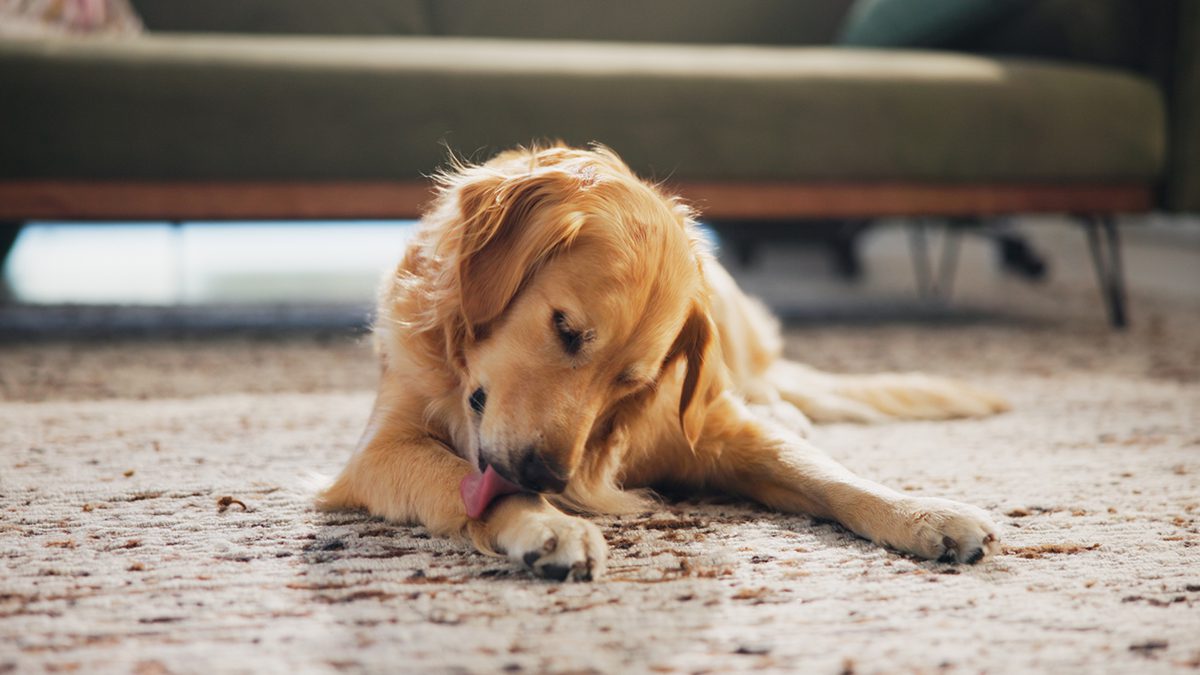
What Does It Mean When Dogs Lick Their Paws?
Paw licking is a form of communication, and the amount and intensity tell you whether it’s routine or a red flag.
Dogs naturally lick their feet to clean off dirt, sand, or crumbs from the kitchen floor. This kind of grooming is brief and happens occasionally, much like a cat washing its face. Excessive licking looks different. It may last several minutes at a time, happen many times a day, or focus intensely on one foot.
Normal Grooming vs. a Problem Behavior
Paying attention to a few details can help you describe the behavior to your veterinarian. Useful things to note include:
- Whether your dog licks one paw or all four
- Time of day the licking happens most
- Recent changes in food, treats, or cleaning products
- Whether licking gets worse in spring, summer, or after yard time
- Limping, favoring a leg, or reluctance to walk
Licking focused on a single paw often points to an injury or something lodged in the foot. Licking that involves all four paws, especially alongside itchy ears or skin, tends to suggest a body-wide issue such as allergies.
The Itch-Lick Cycle
Constant licking creates its own problems. Saliva keeps the skin damp, which softens it and invites bacteria and yeast to grow. That infection then increases the itch, which leads to even more licking. Breaking this cycle is often a key part of getting a dog comfortable again. Many owners who tell us “my dog keeps licking his paws” are surprised to learn that the original trigger may have been minor, while the ongoing licking is now the main thing keeping the skin irritated.
Why My Dog Keeps Licking His Paws: Common Causes
When a dog keeps licking his paws day after day, the cause usually falls into a few main categories.
Allergies
Allergies top the list. Dogs with environmental allergies react to things like grass, pollen, mold, and dust mites, and their paws are in direct contact with many of these triggers. Food allergies can also show up as itchy feet, often along with ear trouble or digestive upset. Florida’s long growing season means some dogs deal with symptoms nearly all year.
Skin Infections and Parasites
Bacterial and yeast infections frequently develop between the toes and around the paw pads. Yeast often produces a distinctive musty or “corn chip” smell and a greasy residue. Fleas and mites can also cause intense itching that drives a dog to chew at his feet.
Pain, Injury, and Foreign Objects
Sometimes licking is about discomfort rather than itch. Common physical causes include:
- Burns on the pads from hot pavement or sand
- Cuts from shells, sharp rocks, or broken glass
- Sandspurs, thorns, or splinters wedged between toes
- Torn, overgrown, or ingrown nails
- Interdigital cysts, which are painful bumps between the toes
- Arthritis or joint pain in the toes and wrists
Boredom and Anxiety
Some dogs lick their paws to self-soothe. Dogs that are left alone for long periods, lack exercise, or feel stressed by changes at home may develop licking as a habit. Over time, this behavior can cause skin damage called a lick granuloma, a stubborn sore that is difficult to heal. Behavioral licking should still be evaluated, since medical and emotional causes often overlap. A dog with mildly itchy feet may lick more when he’s bored, and a dog with an anxious habit can develop a secondary infection from the constant moisture. Sorting out which came first helps your veterinarian choose the right approach. If you’ve been thinking, “my dog keeps licking his paws only when I leave the house,” that detail is worth sharing.
When Should Paw Licking Lead to a Vet Visit?
Occasional licking can wait and be watched, but certain changes mean it’s time to book an appointment.
Excessive licking rarely resolves on its own once infection or inflammation has set in. Waiting too long can allow minor irritation to become a deep infection that takes longer to clear. Schedule an exam if you notice any of the following:
- Red, swollen, or warm skin between the toes
- Reddish-brown staining on light-colored fur
- Open sores, scabs, bleeding, or hair loss
- A foul smell or discharge from the paw
- Limping or refusing to put weight on a foot
- Licking that disrupts your dog’s sleep or yours
Avoid Guesswork at Home
It’s tempting to try a home remedy you saw online, but some products can irritate the skin further or are toxic if your dog licks them off. Covering a paw without knowing the cause can also trap moisture and make an infection worse. A veterinary exam gives you a clear answer and a plan that is safe for your dog.
Watch for Seasonal Patterns
If your dog’s licking flares at the same time every year, or after outings to certain parks or beaches, share that with your veterinarian. Patterns like these are valuable clues when allergies are suspected.
How Do Veterinarians Treat Excessive Paw Licking?
Successful treatment depends on finding what’s driving the licking, not just quieting the symptom.
Finding the Root Cause
Your veterinarian will start with a history and a close look at each paw, including the pads, nails, and spaces between the toes. They may check the rest of the skin and ears for related signs. Depending on what they find, diagnostic steps can include skin cytology to look for yeast or bacteria, skin scrapings to check for mites, or a culture for stubborn infections. X-rays may help when pain, swelling, or a hidden foreign object is suspected.
What a Treatment Plan May Include
Once the cause is clear, your veterinarian will recommend a plan tailored to your dog. This might involve medication for infection, relief for itching and inflammation, parasite prevention, or wound care for an injury. When allergies are involved, your veterinarian may discuss long-term allergy management or a food elimination trial. For behavioral licking, the plan may include enrichment and exercise strategies or, in some cases, a referral to a behavior specialist. Recheck visits help confirm progress and adjust care as needed.
Relief for Itchy Paws in Boca Raton
When your dog keeps licking his paws, he’s telling you something feels wrong, whether it’s an allergy, an infection, an injury, or stress. Pinpointing the cause early can spare your dog weeks of discomfort and help prevent recurring flare-ups. The team at 441 Animal Hospital in Boca Raton takes the time to examine every paw, explain our findings, and build a plan that fits your dog’s needs and your family’s routine. From seasonal allergies to sandspur injuries, we understand the challenges South Florida dogs face. If your dog has been licking, chewing, or limping, call 441 Animal Hospital at (561) 482-5600 to schedule an appointment and get your pup back to comfortable, happy walks.