

Dog Dental Care: Why It Matters for Your Dog’s Health
Dog dental care matters because dental disease is one of the most common health problems in dogs, and it affects far more than the mouth. Most dogs show some signs of periodontal disease by age three, and untreated infections can cause pain, tooth loss, and strain on organs like the heart, liver, and kidneys.
Many pet owners first notice a problem when their dog’s breath turns unpleasant, but by then, plaque and tartar have often been building for months. The good news is that dental disease is largely preventable with routine veterinary checkups, professional cleanings, and consistent habits at home. At 441 Animal Hospital in Boca Raton, we consider oral health a core part of every dog’s wellness plan, not an optional extra. In this article, you’ll learn how dental disease develops, why regular exams are so valuable, which warning signs to watch for, and what really happens during a professional cleaning.
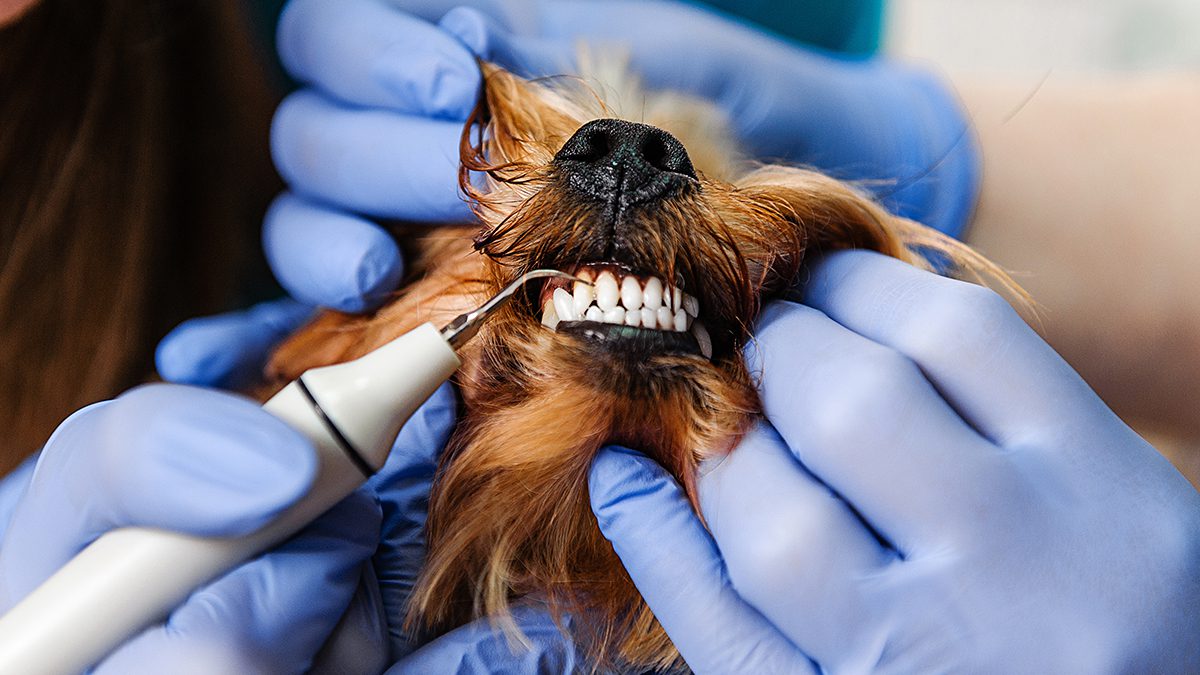
Why Does Dog Dental Care Matter So Much?
Good dog dental care protects your pet from a slow, often hidden disease process that can affect the entire body.
How Dental Disease Develops
It starts with plaque, a sticky film of bacteria that forms on teeth after every meal. Within a few days, plaque that isn’t removed hardens into tartar, also called calculus. Tartar gives bacteria a rough surface to cling to and creeps below the gumline, where it triggers inflammation called gingivitis. Over time, that inflammation can progress to periodontitis, which damages the ligaments and bone that hold teeth in place.
The tricky part is that most of this damage happens below the gumline, out of sight. A dog’s teeth can look reasonably clean on the surface while infection is quietly eroding the structures underneath.
Effects Beyond the Mouth
Inflamed gums give oral bacteria a pathway into the bloodstream. Veterinary research has linked advanced periodontal disease with changes in the heart, liver, and kidneys. Chronic dental pain can also affect your dog’s appetite, mood, and willingness to play or chew toys. Because dogs instinctively hide discomfort, many owners don’t realize how much their pet was hurting until after dental treatment, when their dog suddenly seems younger and more energetic.
Prevention Costs Less Than Treatment
Routine dog dental care is also a smart financial choice. A cleaning performed while disease is mild usually involves less time under anesthesia and fewer procedures than treating advanced periodontitis, which may require multiple extractions and follow-up visits. Catching problems early protects both your dog’s comfort and your budget.
The Importance of Dog Dental Checkups
Regular veterinary dental exams catch problems early, when they’re easier and less costly to address.
Most dogs benefit from a dental evaluation at least once a year during their wellness visit. Small breeds, senior dogs, and dogs with a history of dental issues may need checkups more often. During an oral exam, your veterinarian looks for problems that are easy to miss at home, including:
- Red, swollen, or receding gums
- Tartar buildup and its location on each tooth
- Fractured, worn, or discolored teeth
- Loose teeth or retained baby teeth
- Lumps, growths, or sores on the gums, tongue, or cheeks
- Misaligned bites that cause teeth to rub against soft tissue
Why an Awake Exam Has Limits
A checkup in the exam room gives your veterinarian a valuable first look, but it can’t reveal everything. Dogs won’t sit still for a full examination of every tooth surface or for probing beneath the gums. That’s why your veterinarian may recommend a comprehensive oral assessment under anesthesia when signs of disease appear. This visit allows for dental X-rays and a tooth-by-tooth evaluation that shows what’s happening at the roots and in the jawbone.
Starting Early With Puppies
Dog dental care begins long before adulthood. During puppy visits, your veterinarian checks that baby teeth fall out on schedule and that adult teeth come in properly aligned. Retained baby teeth can trap food and crowd permanent teeth, so spotting them early makes a difference. Puppyhood is also the ideal time to get your dog comfortable having its mouth handled, which makes future exams easier for everyone.
What Are the Warning Signs of Dental Problems in Dogs?
Dogs rarely stop eating because of dental pain, so owners need to watch for more subtle clues.
Changes in eating habits or behavior often signal discomfort before the problem becomes obvious. Contact your veterinarian if you notice:
- Persistent bad breath that doesn’t improve
- Chewing on one side of the mouth or dropping food
- Pawing at the face or rubbing the muzzle on the floor
- Excessive drooling, sometimes tinged with blood
- Reluctance to play with chew toys or tug ropes
- Swelling below the eye or along the jaw
Dogs With a Higher Risk
Some dogs are more prone to dental disease than others. Small and toy breeds like Chihuahuas, Yorkshire terriers, Pomeranians, and dachshunds often have crowded teeth in small jaws, which allows plaque to accumulate quickly. Flat-faced breeds such as pugs, Shih Tzus, and French bulldogs also experience crowding and rotated teeth. Senior dogs face higher risk simply because dental disease progresses over time. If your dog falls into one of these groups, your veterinarian may suggest a more proactive dental schedule.
Broken Teeth Need Attention Too
Aggressive chewers can fracture teeth on hard bones, antlers, or ice. A broken tooth that exposes the inner pulp is painful and can become infected, even if your dog continues eating normally. Your veterinarian can determine whether the tooth needs treatment.
What Happens During a Professional Dog Teeth Cleaning?
A professional dental cleaning goes far deeper than what anyone can accomplish with a toothbrush.
Anesthesia and Safety
Before the procedure, your veterinarian performs a physical exam and typically recommends pre-anesthetic bloodwork to confirm your dog is a good candidate for anesthesia. During the cleaning, a dedicated team member monitors heart rate, breathing, oxygen levels, and temperature. Anesthesia allows the veterinary team to work safely and thoroughly without stress or pain for your dog.
Anesthesia-free cleanings may sound appealing, but leading veterinary dental organizations do not recommend them. They only remove visible tartar from the crown and can’t address disease below the gumline, which gives owners a false sense of security.
Steps in a Complete Cleaning
Once your dog is asleep, the team scales away plaque and tartar above and below the gumline, then polishes the teeth to smooth the surfaces. Dental X-rays reveal hidden problems such as root infections, bone loss, and damaged teeth. If the veterinarian finds teeth that are badly diseased or broken, they’ll discuss treatment options with you, which may include extractions.
Supporting Oral Health Between Visits
Professional care works best when paired with daily habits at home. Your veterinarian can recommend dental chews, diets, and products accepted by the Veterinary Oral Health Council (VOHC) and help you choose an approach that suits your dog’s temperament. Ask about brushing during your next visit, too. Your veterinary team can demonstrate the right technique and recommend a dog-safe toothpaste, since human toothpaste contains ingredients that aren’t meant for pets. A home routine that fits your schedule is the one you’ll stick with, and consistency is what makes dog dental care effective over the long run.
Healthier Smiles for Boca Raton Dogs
Strong teeth and healthy gums help your dog eat comfortably, play happily, and live a longer, fuller life. Consistent dog dental care, combined with regular checkups, stops small problems from turning into painful infections or costly procedures. The team at 441 Animal Hospital in Boca Raton offers thorough dental exams and professional cleanings, and we take the time to explain every step of your dog’s care. We’ll answer your questions and create a dental plan that fits your dog’s age, breed, and lifestyle. If your dog is due for a checkup or you’ve noticed bad breath, tartar, or changes in chewing, call 441 Animal Hospital at (561) 482-5600 to schedule a dental visit.