


Yowling in Cats: What Is This and Why Do They Do It
Yowling in cats refers to a long, loud, often drawn-out vocalization that sounds deeper and more intense than a typical meow. A cat yowling can seem sudden or alarming, especially when a cat suddenly yowling disrupts the household without an obvious cause. While yowling in cats is not always a sign of trouble, it often signals that something in a cat’s environment, body, or emotional state has changed. Pet owners in Boca Raton frequently ask why cat yowling appears out of nowhere, particularly in adult or senior cats. Understanding what yowling in cats means can help you decide when to observe behavior changes and when to seek veterinary guidance.
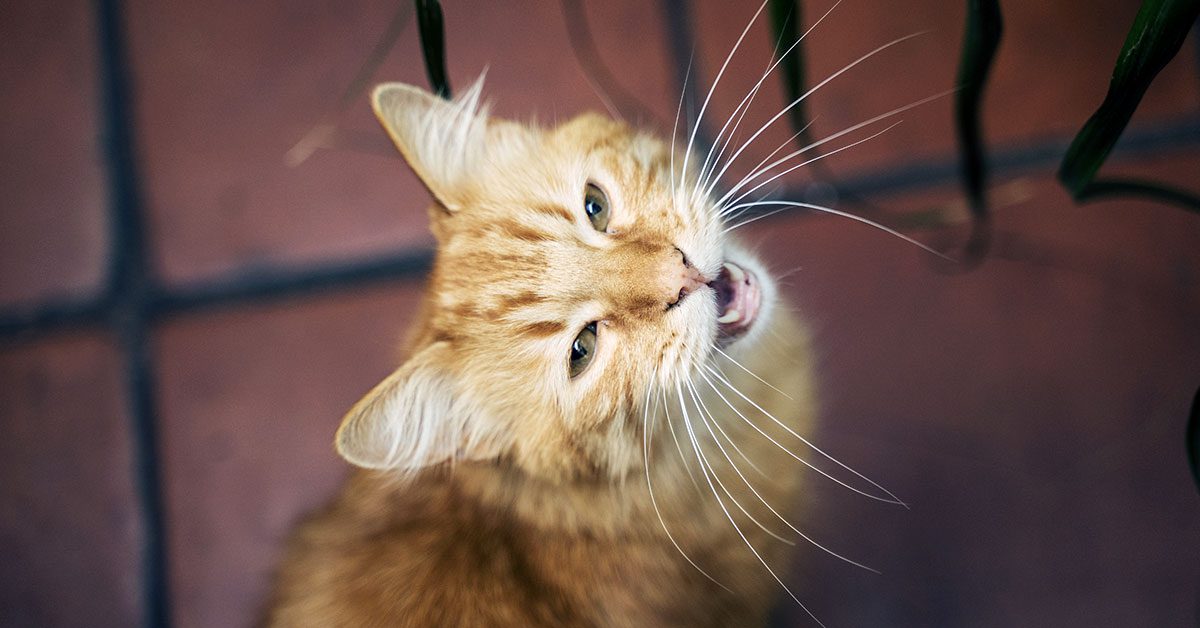
What Is Yowling in Cats?
Yowling in cats is a form of vocal communication that sounds louder, longer, and more urgent than standard meowing. Unlike a short meow used for attention, cat yowling often stretches out into a low, echoing sound that can occur during the day or night. Many pet owners describe their cat’s yowling as a distressed or demanding noise, especially when a cat that suddenly yowls seems unprovoked. This vocalization can be a cat’s way of expressing confusion, frustration, discomfort, or a desire for interaction. Because yowling in cats has many possible causes, context and pattern matter.
Cats of all ages may yowl, but it is more commonly reported in senior cats or in cats experiencing changes at home. Environmental disruptions, new routines, or underlying health concerns can influence yowling in cats. Some cats yowl intermittently, while others vocalize repeatedly, especially at night. Tracking when your cat is yowling and what is happening around your cat at the time can offer valuable insight. For veterinary teams, yowling often serves as an early behavioral clue worth exploring further.
Why Do Cats Yowl?
Cat yowling typically reflects an unmet need or a response to change. While a single episode of yowling in cats may not be concerning, repeated or escalating cat yowling deserves attention. Cats rely on vocalization to communicate when something feels off, whether emotionally, physically, or environmentally. When a cat suddenly yowls without warning, it often points to stress, confusion, or discomfort. Understanding common triggers behind yowling in cats can help pet owners respond more confidently.
Communication and Attention-Seeking Behavior
Some cats yowl because they have learned that loud vocalization gets a response. Cat yowling may occur when a cat wants food, interaction, or access to a specific space. In multi-pet households, yowling in cats can also appear as a way to assert presence or express frustration. Cats that feel bored or under-stimulated may resort to cat yowling to break monotony. While attention-seeking yowling in cats may seem harmless, it can intensify over time if the underlying need is not addressed.
Stress, Anxiety, and Environmental Changes
Stress is a common contributor to yowling in cats. Changes such as moving homes, new pets, altered schedules, or unfamiliar noises can trigger cat yowling. A cat suddenly yowling after a routine change may be reacting to uncertainty or anxiety. Even subtle disruptions, like rearranged furniture or new scents, can influence yowling in cats. Cats thrive on predictability, and when that stability shifts, vocal behavior often follows.
Age-Related Changes in Senior Cats
Senior cats may experience increased yowling due to age-related cognitive or sensory changes. A cat yowling at night is especially common in older cats who feel disoriented in low-light conditions. Yowling in cats at this stage may reflect confusion, changes in hearing or vision, or altered sleep-wake cycles. When a cat suddenly yowling becomes frequent in a senior cat, it may indicate that the cat is struggling to process their surroundings. Monitoring patterns of cat yowling in older cats is an important part of ongoing wellness care.
Discomfort or Physical Sensitivity
Physical discomfort can also lead to yowling. Cats may vocalize when they feel pain, stiffness, or internal discomfort that they cannot otherwise express. A cat’s yowling may increase during movement, jumping, or rest if a cat feels physically strained. A cat suddenly yowling during normal activities can signal that something feels different in their body. Because they instinctively hide pain, yowling can be one of the few outward clues that something warrants attention.
Situations Where Cat Yowling Is Common
Understanding when yowling in cats tends to occur can help identify potential causes. Their yowling doesn’t always follow a predictable schedule, but certain situations appear more frequently in veterinary discussions. These patterns can guide conversations with your veterinary team and help determine next steps.
Common situations associated with yowling in cats include:
- Nighttime hours when the home is quiet and dark
- Changes in household routine or environment
- Introduction of new pets or people
- Aging-related changes in senior cats
- Periods of limited stimulation or activity
Not every instance of a cat yowling points to the same cause. Observing frequency, timing, and behavioral context provides helpful insight. When yowling in cats becomes persistent or disruptive, a professional evaluation may be appropriate.
When Cat Suddenly Yowling Becomes a Concern
An occasional vocal outburst may not require immediate action, but patterns matter. A cat suddenly yowling that appears intense, frequent, or paired with other behavior changes deserves closer attention. Changes in appetite, litter box habits, mobility, or social interaction alongside yowling may signal an underlying issue. Even subtle shifts can be meaningful when paired with ongoing cat yowling.
Veterinary teams often recommend discussing yowling in cats when:
- The vocalization increases in frequency or volume
- Cat yowling occurs alongside noticeable behavior changes
- A senior cat shows signs of confusion in addition to yowling suddenly
- Nighttime yowling disrupts normal sleep patterns
For pet owners in Boca Raton, addressing concerns early can support better long-term outcomes. If your cat’s behavior feels out of character or difficult to manage, speaking with a veterinary professional can offer clarity.
How Veterinary Teams Evaluate Yowling in Cats
When pet owners bring up concerns about yowling in cats, veterinary teams focus on patterns rather than isolated events. A detailed history helps identify whether cat yowling stems from behavioral, environmental, or physical factors. Information about timing, duration, and associated behaviors plays a central role. For a cat suddenly yowling, recent changes at home often provide valuable context.
During an evaluation, veterinary professionals may discuss:
- The onset and frequency of cat yowling
- Environmental or routine changes
- Age-related considerations
- Overall behavior and activity levels
This collaborative approach helps narrow down potential causes of yowling in cats. Open communication ensures that pet owners feel supported throughout the process.
Supporting a Cat That Yowls Frequently
While yowling in cats can feel frustrating, it often reflects a cat attempting to communicate. Responding with patience and observation can make a difference. Keeping a simple log of when cat yowling occurs may help identify triggers. This information can be especially useful during veterinary visits.
Consistency, predictable routines, and environmental stability often support cats prone to yowling. For cats suddenly yowling, gradual adjustments rather than abrupt changes may reduce stress. Veterinary guidance can help tailor next steps based on your cat’s age, health history, and lifestyle.
FAQs About Yowling in Cats
Is yowling in cats the same as meowing?
Yowling in cats differs from typical meowing in tone, length, and intensity. Yowling usually sounds louder and more urgent than a standard meow.
Why does my cat suddenly yowl at night?
Nighttime cat yowling is often linked to environmental quiet, reduced stimulation, or age-related changes. Senior cats may experience more nighttime yowling due to disorientation.
Should I be worried about frequent cat yowling?
Frequent or escalating yowling in cats, especially when paired with behavior changes, is worth discussing with a veterinary professional.
When to Contact 441 Animal Hospital
If yowling in cats becomes persistent, disruptive, or concerning, professional guidance can help clarify what your cat may be communicating. The team at 441 Animal Hospital in Boca Raton, FL, is available to discuss cat yowling concerns and evaluate potential contributing factors. To learn more or schedule an appointment, call (561) 482-5600 or book an appointment online.