


Why Does My Dog Have Diarrhea?
If your dog has diarrhea, the cause may range from a sudden food change or stress to parasites, infection, inflammation, toxin exposure, or an intestinal blockage. One loose stool may pass, but repeated diarrhea, blood, vomiting, pain, weakness, or appetite changes can signal a problem that needs veterinary care.
Diarrhea may appear soft, unformed, or liquid and can occur with increased frequency, straining, mucus, or indoor accidents. Because it is a symptom rather than a diagnosis, your dog’s behavior and the duration of the problem also matter.
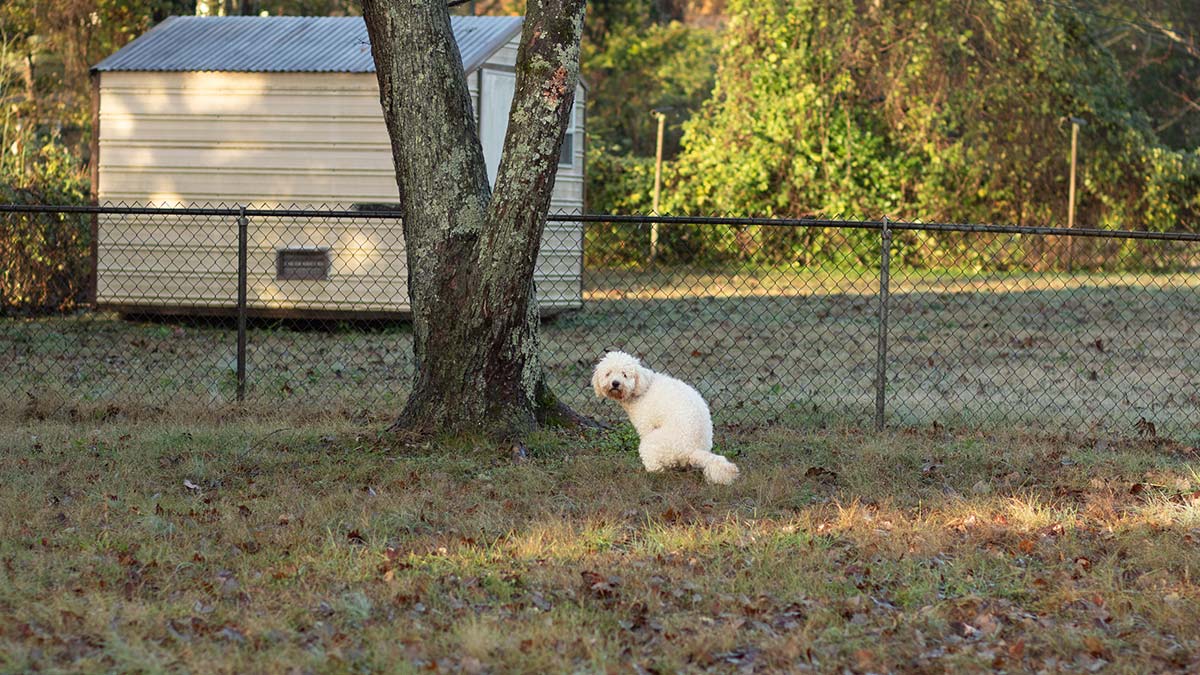
Dog Has Diarrhea: Common Causes and When to Call the Vet
Pet owners often ask, “Why does my dog have diarrhea?” The answer depends on diet, exposure risks, health history, and other symptoms. The same sign can follow a minor digestive disruption or serious disease. Tracking what happened before the first episode can help Dr. Andrew Levy and the team at 441 Animal Hospital narrow the possibilities.
Dietary Changes and Eating Something Unusual
Dogs often develop loose stool after eating unfamiliar food, rich table scraps, spoiled material, garbage, or too many treats. A sudden food change can disrupt digestion because the intestinal tract has not had time to adjust. Some dogs also react to ingredients they cannot tolerate.
Tell your veterinarian about new foods, treats, chews, scavenging, and anything your dog may have swallowed. Toys, fabric, bones, corn cobs, or packaging can irritate or obstruct the digestive tract. Diarrhea does not rule out a blockage, especially when vomiting, abdominal discomfort, reduced appetite, or repeated straining occurs.
Parasites and Infections
Roundworms, hookworms, whipworms, Giardia, and other intestinal parasites can cause diarrhea. Puppies, newly adopted dogs, and dogs that visit communal areas may face greater exposure. Parasites may cause mucus, blood, weight loss, or intermittent symptoms.
Bacteria and viruses can also inflame the gastrointestinal tract. Exposure may occur through contaminated stool, water, food, shared spaces, or infected animals. Puppies and dogs without complete vaccinations require prompt attention. Bring a fresh stool sample when feasible, since fecal testing can identify parasites and selected infectious causes.
Stress and Underlying Disease
Travel, boarding, changes in routine, storms, visitors, or another stressful event can trigger short-term diarrhea in some dogs. Stress can contribute to large-bowel inflammation, which often causes urgency, frequent small stools, mucus, and straining. However, owners should avoid assuming stress caused the problem before considering other possibilities.
Recurring or long-lasting diarrhea may relate to chronic intestinal inflammation, pancreatic disease, liver or kidney disease, hormonal disorders, or another systemic illness. Weight loss, appetite changes, excessive thirst, or recurring vomiting make an underlying condition more likely. Senior dogs and dogs with existing conditions may need evaluation sooner.
What Does the Color and Appearance of Dog Diarrhea Mean?
Stool appearance can provide clues, but it cannot confirm the cause. Note the color, consistency, frequency, and presence of blood, mucus, worms, or foreign material. A photo may help if the stool changes before the appointment.
Bright red streaks may come from irritation or bleeding in the lower intestinal tract. Black, sticky, tar-like stool can indicate digested blood and requires prompt veterinary attention. Yellow, green, pale, greasy, or unusually foul-smelling diarrhea may occur with several digestive or systemic problems, so contact your veterinarian rather than relying on color alone.
When Should I Call the Vet About My Dog’s Diarrhea?
Call your veterinarian when diarrhea repeats, continues, or occurs with another change in your dog’s health. We advise veterinary care when diarrhea accompanies lethargy, loss of appetite, vomiting, black or tarry stool, or failure to improve within 48 to 72 hours. Puppies, small dogs, senior dogs, and dogs with chronic conditions can become dehydrated faster and may need care earlier.
Contact 441 Animal Hospital promptly if your dog with diarrhea has any of these signs:
- Repeated watery stools or increasing frequency
- Bright red blood or black, tar-like stool
- Vomiting or inability to keep water down
- Weakness, collapse, trembling, or difficulty standing
- A painful, tense, or swollen abdomen
- Refusal to eat or drink
- Pale, dry, or tacky gums or reduced urination
- Suspected toxin exposure or swallowed foreign material
- Diarrhea in a young puppy or medically fragile dog
When to Take Your Dog to the Emergency Vet
Seek emergency veterinary care when your dog appears severely ill, collapses, cannot stand, has blood loss, develops a swollen painful abdomen, or may have ingested a toxin or foreign object. Profuse bloody diarrhea can cause rapid fluid loss and shock before dehydration looks obvious. Vomiting and diarrhea together increase concern because the dog loses fluid while struggling to replace it.
441 Animal Hospital provides emergency care during hours, and Dr. Andrew Levy remains on call for after-hours emergencies. Call (561) 482-5600 before traveling so the team can direct you appropriately. When referral care is needed, the hospital can help guide the next step.
How Will a Veterinarian Diagnose Diarrhea in Dogs?
The visit usually begins with questions about when the diarrhea started, how often it occurs, what your dog ate, possible exposures, travel, parasite prevention, and other symptoms. The veterinarian will assess hydration, temperature, abdominal comfort, gum color, and alertness. The findings guide the next diagnostic or treatment steps.
Testing depends on the history and examination findings. Diagnostics include fecal exams, blood testing, urinalysis, digital X-rays, and ultrasound. These tools can help identify parasites, dehydration, organ changes, foreign material, or obstruction.
What Can I Give My Dog for Diarrhea?
Do not give human products, leftover animal treatments, supplements, or other substances unless your veterinarian specifically approves them for your dog. Some products can worsen disease, mask symptoms, or cause toxicity. Safe recommendations depend on your dog’s age, size, health history, and suspected cause.
Call 441 Animal Hospital before changing your dog’s feeding plan or giving any product for diarrhea. The team may recommend an examination first, especially when symptoms repeat or warning signs appear. Veterinary care focuses on correcting fluid loss, supporting the digestive tract, and treating the underlying problem rather than stopping the stool.
What Information Should I Share With the Veterinarian?
Clear observations can speed up the diagnostic process. Record when the diarrhea began, episode count, stool appearance, appetite, water intake, energy, vomiting, and anything unusual your dog ate. Mention recent boarding, travel, dog park visits, and diet changes.
Bring these items when available:
- A fresh stool sample in a sealed container
- Photos of abnormal stool or vomit
- Packaging from anything your dog may have eaten
- A list of foods, supplements, and medical treatments
- Relevant records from another animal hospital
Schedule Care for a Dog With Diarrhea in Boca Raton
A single soft stool may be brief, but persistent or complicated diarrhea deserves medical attention. Dr. Andrew Levy and the team at 441 Animal Hospital can evaluate your dog, identify concerning patterns, and recommend care based on the cause rather than guesswork.
Call (561) 482-5600 or request an appointment online. If your dog has severe symptoms, significant blood in the stool, repeated vomiting, weakness, collapse, or suspected toxin or foreign-object exposure, call for emergency guidance.