


Why Do Dogs Eat Grass?
Why do dogs eat grass? Many dogs graze because they like the taste or texture, feel hungry, want stimulation, or instinctively seek roughage. A dog eating grass does not automatically have an upset stomach, but a sudden or excessive change can signal nausea, intestinal discomfort, parasites, or another health problem.
Grass eating is common among otherwise healthy dogs, and fewer than one-quarter vomit afterward. The behavior deserves attention when it becomes frequent, frantic, or paired with other symptoms. Tracking the pattern can help Dr. Andrew Levy and the team at 441 Animal Hospital decide whether the habit needs evaluation.
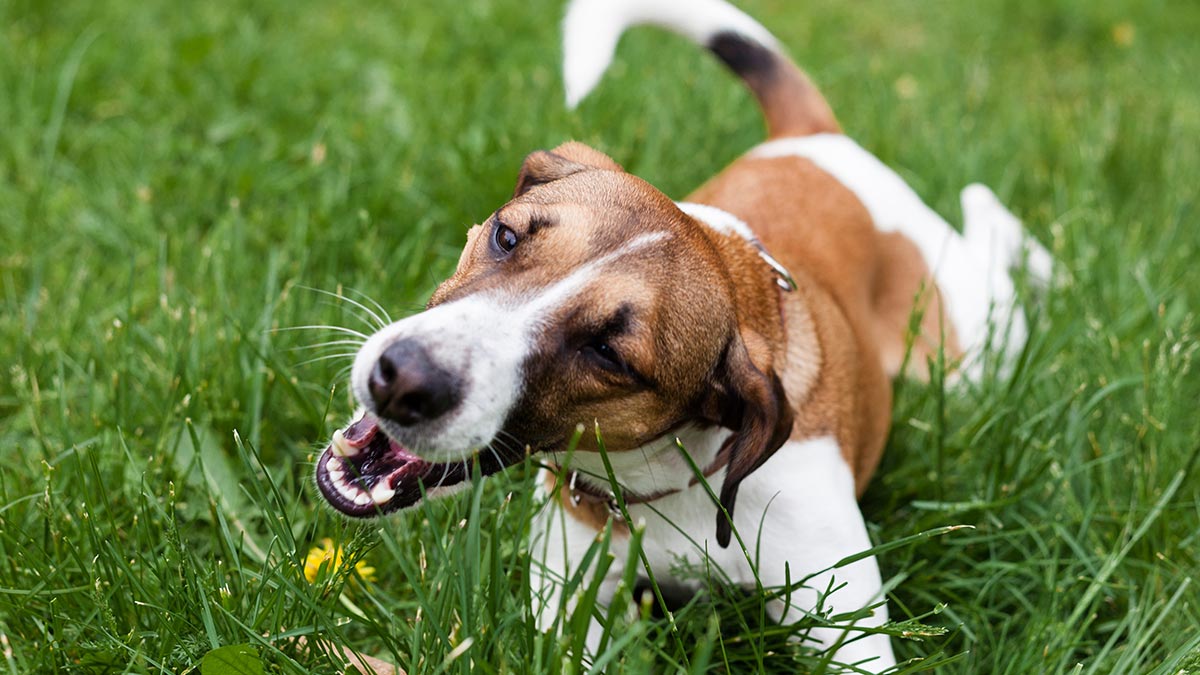
Why Dogs Eat Grass
Researchers have not identified one explanation that applies to every dog. It likely reflects behavior, preference, appetite, environment, and health. Occasional relaxed grazing differs from urgently swallowing large amounts while showing signs of nausea. Looking at the entire pattern offers more insight than focusing on one isolated episode.
Do Dogs Eat Grass Because They Feel Sick?
Some dogs seek grass when their stomach feels unsettled. Signs can include lip licking, drooling, repeated swallowing, abdominal noises, or reduced appetite. However, most dogs do not appear ill before grazing, and most do not vomit afterward. Nausea explains some cases, but it does not account for every dog that eats grass.
One vomiting episode followed by a quick return to normal may remain mild. Repeated vomiting, ongoing nausea, or an inability to keep water down calls for veterinary guidance. Grass may irritate the throat or stomach, but its presence in vomit does not prove it caused the original problem. Dietary indiscretion, parasites, inflammation, infection, or another gastrointestinal condition may be responsible.
Does a Dog Eat Grass for Fiber or Nutrition?
Grass contains fiber, so some dogs may graze in response to a digestive need or dietary preference. Fiber supports normal stool formation and intestinal movement, but grass eating does not confirm a nutritional deficiency. Dogs on a balanced diet may still enjoy the taste or texture. The behavior may simply reflect an individual preference rather than a dietary problem.
A veterinarian should evaluate persistent grazing before major dietary changes. Dr. Levy may review your dog’s food, treats, feeding schedule, appetite, stool quality, body condition, and medical history. Excessive hunger, weight changes, or abnormal stool can point toward issues that require testing. A complete dietary and medical history helps the veterinary team determine which concerns deserve further investigation.
Can Boredom, Stress, or Habit Cause Grass Eating?
Dogs explore the world with their mouths, and grazing can offer sensory stimulation during walks or yard time. Some dogs chew grass when they feel bored, excited, anxious, or eager for attention. Others form a routine-based habit. Puppies may show more exploratory chewing, although dogs of any age can graze.
Look at the context. A dog eating grass slowly during a relaxed walk may simply enjoy it, while repetitive or difficult-to-interrupt grazing may suggest discomfort or a behavioral concern. Note whether it increases during schedule changes, travel, storms, boarding, or inactivity. Sharing those details with your veterinarian can help distinguish casual grazing from a new health or behavioral issue.
Why Is My Dog Eating Grass and Vomiting?
Vomiting after grazing can happen because the dog already felt nauseated, because grass irritated the digestive tract, or because the dog swallowed too much too quickly. One episode cannot reveal which came first. Watch your dog’s energy, appetite, water intake, stool, abdominal comfort, and frequency of vomiting. A bright, comfortable dog presents a different picture from one that appears weak, painful, or unable to settle.
Call 441 Animal Hospital when vomiting continues, returns repeatedly, or occurs with other changes. Depending on the examination, Dr. Levy may recommend fecal testing, bloodwork, X-rays, or ultrasound. 441 Animal Hospital provides imaging and diagnostics in Boca Raton to investigate gastrointestinal symptoms. These tests can help identify parasites, inflammation, foreign material, organ changes, or other possible causes.
Is Grass Safe for Dogs to Eat?
Small amounts of clean, untreated grass often pass without causing a problem, but grazing carries risks. Grass can contain lawn chemicals, parasite-contaminated soil, fecal material, toxic plants, mold, sharp seed heads, or foreign objects. Boca Raton’s warm climate creates year-round exposure. Pet owners should pay close attention to where their dogs graze and what may be hiding among the grass.
Potential concerns include:
- Pesticides, herbicides, fertilizers, or other lawn treatments
- Parasites from contaminated soil or animal waste
- Toxic plants, mushrooms, mulch, or standing water
- Mouth, throat, or digestive irritation
- Intestinal blockage after large-volume ingestion
Avoid treated lawns, visible waste, mushrooms, weeds, and debris. Contact a veterinarian promptly when you suspect chemical or toxic plant exposure. Provide the product name, plant description, estimated amount consumed, and time of exposure. This information can help the veterinary team determine how urgently your dog needs care.
When Should I Worry About My Dog Eating Grass?
Occasional grazing in a dog that eats, drinks, plays, and passes normal stool may not require urgent care. A new pattern deserves attention, especially when your dog eats grass aggressively or seems unable to stop. Appetite, weight, stool, and energy changes provide important clues. Record a video and note the timing, frequency, and symptoms.
Schedule an appointment when you notice:
- Frequent or increasing grass consumption
- Recurrent vomiting, diarrhea, constipation, or excessive gas
- Appetite loss, intense hunger, or weight change
- Drooling, repeated swallowing, or abdominal noises
- Lethargy, restlessness, hiding, or other behavior changes
- Blood, mucus, worms, or persistent stool changes
These signs do not always indicate a serious condition, but they warrant a conversation with your veterinarian. A dog that eats grass every day may need a dietary review, fecal testing, physical examination, or other diagnostic work. Seeking care can help you address the underlying reason rather than concentrating solely on stopping the grazing.
When to Take Your Dog to the Emergency Vet
Seek urgent veterinary help when grass eating occurs with severe or rapidly worsening symptoms. Warning signs include repeated unproductive retching, a swollen or painful abdomen, collapse, marked weakness, breathing trouble, pale gums, blood in vomit, or an inability to keep water down. These signs may indicate toxin exposure, obstruction, or another emergency. Rapid veterinary assessment can become especially important when your dog’s abdomen appears enlarged or painful.
441 Animal Hospital provides emergency veterinary care during regular hours and has a veterinarian on call for after-hours emergencies. Call before arriving so the team can prepare. When toxin exposure may be involved, share the product or plant name, estimated amount, and time of exposure. Bring the packaging or a photo when you can do so safely.
What Information Should I Share With My Veterinarian?
Explain when the behavior started, how often it occurs, how much grass your dog eats, and whether vomiting happens before or after grazing. Mention recent food changes, new treats, missed meals, travel, stress, trash access, and possible lawn-product exposure. Also describe stool quality, appetite, thirst, energy, and any weight change. Specific observations can help your veterinarian identify patterns that may not appear during the appointment.
Photos, videos, and a fresh stool sample may help when requested by the hospital. Avoid pulling long grass from your dog’s throat or rectum because it may connect to material farther inside the digestive tract. Contact the veterinary team for guidance instead. An examination allows Dr. Levy to assess hydration, abdominal comfort, oral health, and other physical signs.
Get Answers About Your Dog’s Grass Eating
A dog eats grass for many reasons, and the overall pattern matters more than one isolated nibble. When grazing becomes frequent, causes repeated vomiting, or appears with digestive or behavioral changes, a veterinary assessment can help identify the cause. Dr. Andrew Levy and the team at 441 Animal Hospital provide personalized care, diagnostics, and emergency support for dogs in Boca Raton and surrounding communities.
Call 441 Animal Hospital at (561) 482-5600 or request an appointment online to discuss your dog’s grass eating and related symptoms.