


Tips for Puppy Socialization and Why It’s Important
Puppy socialization helps young dogs learn how to feel comfortable, confident, and safe in the world around them. Through positive, guided experiences with people, animals, sounds, and environments, puppy socialization builds the foundation for lifelong behavior. Without early social exposure, many puppies grow into adults who feel unsure or reactive in everyday situations. The good news is that thoughtful, consistent socialization supports emotional development just as much as physical growth. At 441 Animal Hospital in Boca Raton, we help families understand how early social experiences shape healthier, happier adult dogs.
What Is Puppy Socialization?
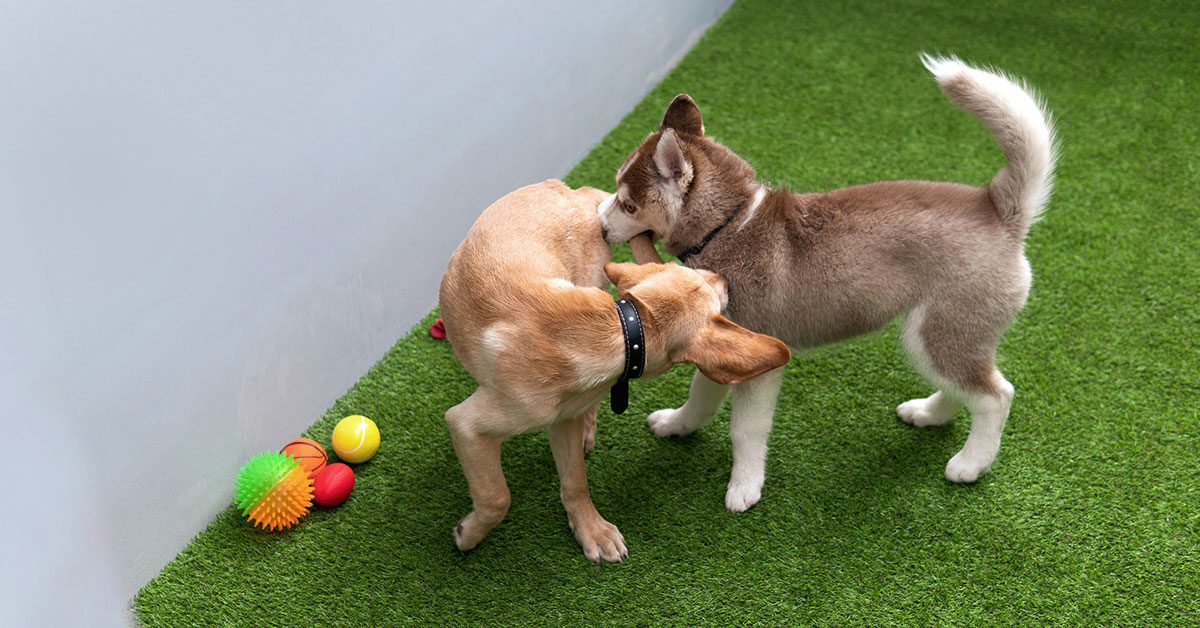
Puppy socialization is the process of gently introducing puppies to a wide variety of sights, sounds, people, animals, and environments during their early developmental stages. These experiences teach puppies how to respond calmly and appropriately to new situations. Puppy socialization does not mean overwhelming your puppy or forcing interactions. Instead, it focuses on creating positive associations through gradual exposure.
Effective puppy socialization supports learning, adaptability, and emotional balance. Puppies that experience thoughtful social exposure often handle change with more confidence as adults. When pet owners use proven tips for puppy socialization, they help their puppies build trust in unfamiliar experiences. This foundation supports training, bonding, and long-term behavioral health.
Why Puppy Socialization Is Important
Puppy socialization plays a major role in shaping behavior, confidence, and safety. Puppies that miss early social opportunities may struggle with fear, anxiety, or reactivity later in life. Early exposure helps puppies understand that new situations do not automatically signal danger.
Socialized puppies also learn appropriate communication with other dogs and people. They develop better bite inhibition, play skills, and impulse control. Puppy socialization supports emotional resilience, which helps dogs recover more quickly from stressful moments. For Boca Raton pet families, these skills matter in busy neighborhoods, parks, and social settings.
Critical Developmental Windows
Puppies experience a key learning window during their early weeks of life. During this time, their brains absorb information rapidly and form lasting impressions. Positive experiences during this stage create stronger emotional stability. Negative or absent experiences may leave lasting gaps in confidence.
Using structured tips for puppy socialization during this window allows puppies to approach new situations with curiosity rather than fear. Gentle repetition helps reinforce trust and adaptability.
Benefits of Socializing Your Puppy
The benefits of puppy socialization extend far beyond basic manners. Well-socialized puppies tend to grow into calmer, more confident companions. They adjust more easily to new environments, family changes, and daily routines.
Key benefits of puppy socialization include:
- Improved confidence in unfamiliar settings
- Better communication with other dogs
- Reduced fear-based behaviors
- Stronger bonding with family members
- Smoother training experiences
Puppy socialization also supports public safety by helping dogs remain relaxed around people and other animals. When families apply consistent tips for puppy socialization, they reduce long-term behavioral challenges and strengthen trust.
Tips for Puppy Socialization That Support Confidence
Using reliable guidance for puppy socialization helps puppies learn in a healthy, positive way. Start slowly, follow your puppy’s comfort level, and build experiences gradually. Each positive encounter teaches your puppy how to navigate the world.
Helpful tips for puppy socialization include:
- Introduce new people in calm, quiet settings
- Expose puppies to different surfaces and environments
- Pair new experiences with praise and gentle encouragement
- Keep interactions short and positive
- Allow puppies to observe before engaging
These tips for puppy socialization focus on emotional safety first. Puppies that feel secure learn faster and retain positive associations more easily.
Socializing With Other Dogs
Dog-to-dog social experiences teach puppies how to communicate and play appropriately. Choose calm, well-mannered dogs for early interactions. Supervise play closely to prevent overwhelming moments. Gradual exposure builds confidence and reduces fear-based reactions.
How Puppy Socialization Supports Training Success
Puppy socialization strengthens learning by creating positive emotional foundations. Puppies that feel safe are more receptive to instruction. Social exposure helps puppies stay focused in new environments, which improves training outcomes.
Socialized puppies also respond better to cues because they trust their surroundings. This trust allows them to concentrate on learning instead of reacting to fear. Using these tips for puppy socialization alongside training helps reinforce calm behavior patterns. Over time, puppies develop stronger communication skills with their families.
Common Challenges During Puppy Socialization
Some puppies move slowly through social experiences, while others adapt quickly. Both responses remain normal. The key is to avoid forcing interactions. Puppies learn best when they feel in control of their environment.
Common puppy socialization challenges include:
- Hesitation around new people
- Sensitivity to loud noises
- Uncertainty in busy environments
- Nervous body language during introductions
When challenges appear, return to smaller, calmer experiences. Gentle repetition helps rebuild confidence. Reliable guidance for puppy socialization focuses on patience, not pressure.
Puppy Socialization at Home and in the Community
Puppy socialization happens everywhere, not just in public places. Everyday household sounds, visitors, and routines all support learning. Vacuum cleaners, doorbells, and car rides provide valuable exposure opportunities.
In the community, puppies encounter new scents, surfaces, and sounds. Sidewalks, parks, and pet-friendly spaces offer controlled social exposure. Each environment strengthens adaptability. When families use thoughtful tips for puppy socialization, puppies build confidence step by step.
The Long-Term Impact of Puppy Socialization
Puppy socialization shapes lifelong emotional health. Dogs that receive early positive exposure often show fewer behavior challenges as adults. They adjust better to travel, grooming, veterinary visits, and social gatherings.
Strong social foundations also reduce stress responses. Puppies learn how to recover quickly from surprises. This resilience supports quality of life for both pets and families. Applying consistent tips for puppy socialization gives dogs the emotional tools they need to thrive.
Frequently Asked Questions About Puppy Socialization
How early should puppy socialization begin?
Puppy socialization should begin as early as possible with gentle, age-appropriate exposure. Early experiences create stronger learning pathways.
Can puppy socialization continue after early stages?
Yes. While early exposure matters most, continued puppy socialization reinforces confidence throughout development.
What if my puppy seems scared during socialization?
Slow down and return to easier experiences. Positive reinforcement and patience help rebuild comfort.
How long should puppy socialization sessions last?
Short, positive sessions work best. Gradual repetition builds stronger emotional associations.
Supporting Your Puppy’s Social Growth in Boca Raton
Puppy socialization shapes behavior, confidence, and emotional balance. With consistent guidance and supportive experiences, puppies grow into adaptable adult dogs. Families who use thoughtful tips for puppy socialization help prevent fear-based behaviors and strengthen trust.
If you would like support with puppy socialization, behavior development, or early wellness care, contact 441 Animal Hospital in Boca Raton, FL. Call (561) 482-5600 or book an appointment online to help your puppy build a confident, healthy future.