


What to Do if Your Dog Drinks Saltwater
If your dog drinks saltwater, it can lead to dehydration and potentially serious salt toxicity, especially after time at the beach or near the ocean. When a dog drinks saltwater, the body pulls water out of cells to dilute the excess sodium, which can quickly disrupt normal fluid balance. Even small amounts can cause digestive upset, while larger volumes may affect the nervous system. Knowing how to recognize the signs and when to seek veterinary care helps protect your dog’s health during coastal outings in Boca Raton.
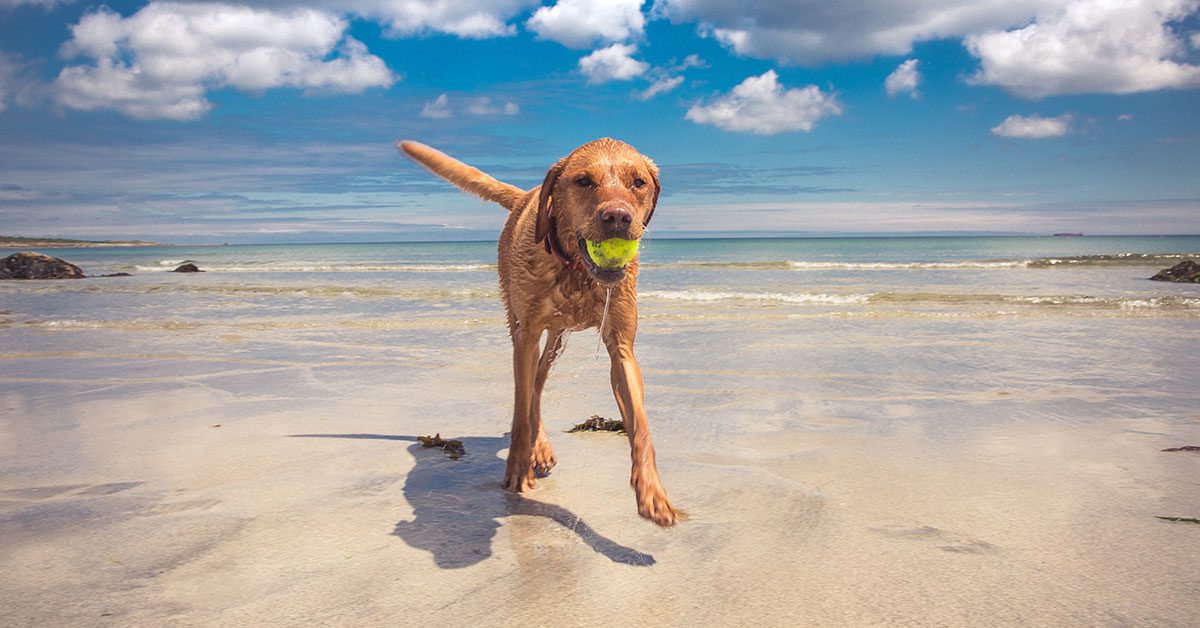
Dangers of Saltwater to Dogs
Saltwater poses unique risks to dogs because their bodies are not equipped to handle high sodium levels. When a dog drinks saltwater, the kidneys must work harder to filter and excrete the excess salt. This process increases fluid loss through urination, which can worsen dehydration rather than relieve thirst. Dogs playing in the ocean often swallow saltwater repeatedly, which increases the overall sodium load in a short period of time.
In coastal areas like Boca Raton, dogs may spend extended time swimming or retrieving toys in the surf. Each mouthful adds up, and a dog that drank saltwater over the course of an afternoon may face more serious complications than expected. Puppies, senior dogs, and dogs with underlying health concerns may show effects sooner than healthy adults.
Why Saltwater Is Dangerous
Saltwater is dangerous because it contains far more sodium than a dog’s body can safely process. When a dog drinks saltwater, sodium levels in the bloodstream rise rapidly. The body attempts to correct this imbalance by shifting water from tissues into the bloodstream, which can lead to dehydration at the cellular level.
Sodium Imbalance and Dehydration
A dog that drank saltwater may appear thirsty, but continued drinking worsens the problem. As dehydration progresses, the brain and other organs can be affected. In more severe cases, swelling of brain tissue may occur, leading to neurological signs. These effects can develop hours after exposure, which is why ongoing monitoring matters even after leaving the beach.
How Much Saltwater Is Too Much?
There is no safe amount of saltwater for dogs to drink. Even a small amount can cause stomach irritation, while repeated exposure increases the risk of salt toxicity. The impact depends on several factors, including the dog’s size, overall health, and how long the exposure lasts.
Dogs that spend long periods swimming, chasing waves, or fetching toys are at higher risk because they swallow water repeatedly without realizing it. A large dog may tolerate a slightly higher amount before showing symptoms, but that does not mean saltwater is safe. Any situation where a dog drinks saltwater should be taken seriously.
Signs Your Dog Drank Saltwater
Recognizing symptoms early allows for faster veterinary evaluation. Signs may appear shortly after exposure or develop later the same day. Some dogs show mild digestive upset, while others develop more concerning symptoms.
Common signs that a dog drank saltwater include:
- Excessive thirst or drooling
- Vomiting or diarrhea
- Lethargy or weakness
- Wobbliness or trouble walking
- Muscle tremors or seizures in severe cases
When Symptoms Become an Emergency
If neurological signs such as disorientation, tremors, or seizures appear, the situation becomes urgent. These symptoms indicate that sodium levels may be affecting brain function. Immediate veterinary care is essential in these cases to prevent lasting damage.
What to Do If Your Dog Drinks Saltwater
If you suspect your dog drank saltwater, remove them from the water right away. Prevent further exposure and observe your dog closely over the next several hours. Changes in behavior, appetite, or coordination may indicate a developing problem.
Because saltwater ingestion can escalate quickly, contacting a veterinary professional for guidance is important. The team at 441 Animal Hospital in Boca Raton can help determine whether your dog needs to be seen based on the amount ingested and the symptoms present. You can call (561) 482-5600 for more information or to book an appointment.
Preventing Saltwater Ingestion
Prevention plays an important role in reducing risk, especially for dogs that love the beach. Planning ahead and monitoring your dog’s activity can limit accidental ingestion.
Helpful prevention tips include:
- Offer fresh water frequently during outdoor activities
- Take regular breaks from swimming
- Limit fetch games in the surf
- Watch for signs of excessive thirst or fatigue
Frequently Asked Questions
Can saltwater make dogs sick?
Yes. When a dog drinks saltwater, it can cause dehydration, stomach upset, and in severe cases, salt toxicity that affects the nervous system.
How soon do symptoms appear after a dog drinks saltwater?
Symptoms may begin within an hour or may be delayed for several hours, depending on the amount ingested and the dog’s size and health.
Is ocean water more dangerous than pool water?
Ocean water contains high levels of sodium, which creates a different risk than chlorinated pool water. Saltwater poses a higher risk for sodium imbalance.
When should I call a veterinarian?
If your dog drank saltwater and shows vomiting, lethargy, coordination problems, or unusual behavior, it is appropriate to contact a veterinary hospital for guidance.
Keeping Your Dog Safe Around Saltwater
Time spent near the ocean can be enjoyable for dogs, but saltwater exposure carries real risks. When a dog drinks saltwater, dehydration and sodium imbalance can develop quickly, sometimes hours after leaving the beach. Paying close attention to early signs and acting promptly helps reduce the chance of more serious complications.
If your dog drank saltwater or you have concerns after a beach outing, the veterinary team at 441 Animal Hospital is here to help. Call (561) 482-5600 to discuss your dog’s symptoms or book an appointment online to ensure your dog receives timely care and guidance.